When a Monster Hunter: World group says it wants another game, it usually does not mean any game with a big enemy and a damage number. It means the good part of a hunt night: agree on a target, change a weapon or armor piece, learn what went wrong, bring friends, and come back sharper.
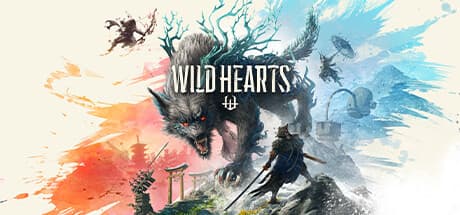
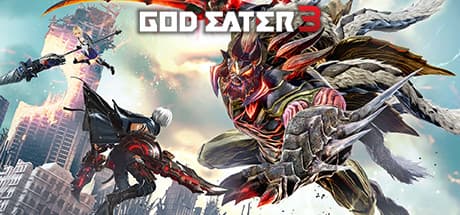
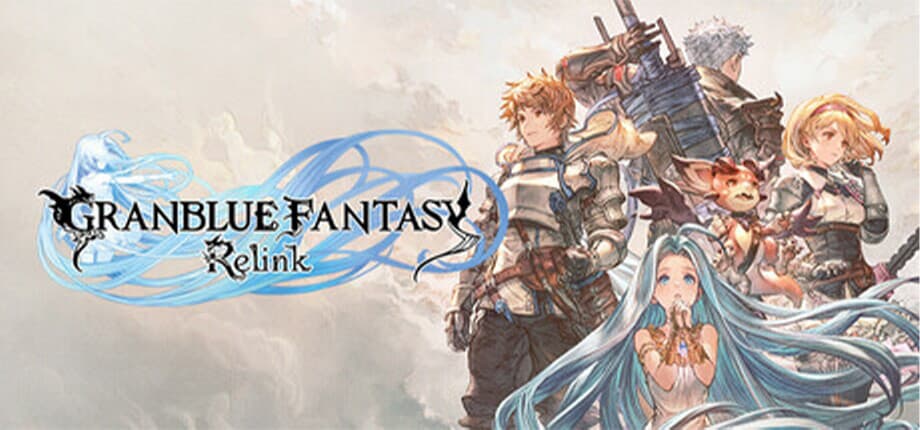
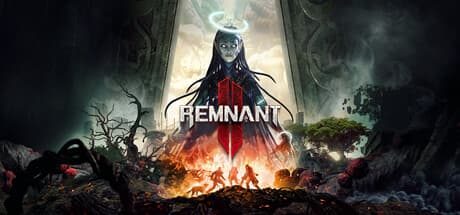
Start with WILD HEARTS if that hunt-and-prep ritual is the non-negotiable part. Pick Granblue Fantasy: Relink if your group would rather queue up a clear boss mission with distinct characters. Choose GOD EATER 3 when you want the giant-enemy pressure at a faster clip. REMNANT II works only if changing from blades to guns sounds like a welcome trade.
The trap is buying the broadest co-op action game and hoping it produces the same ritual. A service game can keep you busy for months and still miss the reason you liked Monster Hunter: a night has a target, a preparation phase, a hard fight, and a satisfying place to stop.
Closest hunt rhythm
Mission-based party bosses
Faster giant-enemy action
Co-op shooter branch
Choose by what your group wants between bosses: preparation, speed, character mastery, or a completely different combat language.
The shared itch is a hunt with a stopping point
Choose from this list if you want your group to have a reason to talk before the fight and a clean reason to log off after it. The closest fits preserve a target, a build decision, a difficult encounter, and a next upgrade. What changes is how much of the evening lives in tracking, menus, character kits, or pure combat.
| If your group misses... | Start with | What changes |
|---|---|---|
| The closest hunt-and-prep rhythm | WILD HEARTS | Karakuri construction becomes part of the plan. |
| Faster giant-enemy fights | GOD EATER 3 | The pace is more action-forward and less about the field-hunt mood. |
| A clean boss-mission night | Granblue Fantasy: Relink | Character kits and spectacle matter more than tracking a creature. |
| Co-op bosses with guns | REMNANT II | Shooting and ranged builds replace the weapon-hunt language. |
| An older action-hunting branch | Toukiden 2 | Treat it as a specific older pick, not the safe default. |
The important split is not whether a game has co-op. It is whether the group gets to make a plan that changes the next attempt. If that part disappears, you may still have a good action game, but you do not have the post-Monster Hunter feeling you came for.
Closest to the hunt ritual: WILD HEARTS
Start here when the best part of Monster Hunter was reading a big target, carrying the right tools, and figuring out a better answer after a failed attempt. WILD HEARTS is the cleanest first test because it keeps the target-and-preparation shape while giving the group a different way to solve a fight.

The reason to try it first is not that it copies every Monster Hunter habit. It is that it still asks the useful question before a difficult encounter: what will we bring, and what will we change if this goes badly? The construction mechanic makes that answer more visible than a pure gear-screen adjustment.
WILD HEARTS
Recommendation
- Best for
- Groups that want another deliberate hunt-and-prep loop with co-op and a new toolset.
- Why it fits
- It keeps monster-sized targets and preparation central, then lets karakuri change movement, positioning, and the shape of a fight. That gives a group something concrete to discuss between attempts.
- Skip if
- You want the exact weapon feel, creature roster, and familiar routines of Monster Hunter rather than a new system to learn.
If your group loves making a small plan, testing it, and seeing the plan matter, this is the lowest-risk next click. If the group mostly wants fast damage windows and a shorter runway to the fight, use the next branch instead.
Faster action, party spectacle, or an older hunting branch
Choose this lane when the shape of the boss fight matters more than recreating every part of the hunt. These games still give you giant-enemy pressure and co-op, but they ask for different kinds of mastery: speed in GOD EATER 3, character execution in Granblue Fantasy: Relink, or patience for an older action-game texture in Toukiden 2.
GOD EATER 3
Recommendation
- Best for
- Players who want giant-enemy missions and co-op, but would rather move faster than linger in the hunt setup.
- Why it fits
- It is the action-forward branch: pick a weapon style, learn a dangerous enemy, and keep the night focused on attacks, movement, and repeated combat attempts.
- Skip if
- The slow ritual of gathering, preparation, and a living hunting ground is what your group misses most.
GOD EATER 3 is a good correction when a group says it wants Monster Hunter but keeps getting impatient before the real fight begins. It gives up some of the deliberate field-hunt mood in return for a more immediate action cadence.
Choose Granblue Fantasy: Relink when the group wants a more direct boss-night format. It is not the pick for someone who wants to roam and track. It is the pick for people who want different character toolkits, readable missions, and a boss fight that feels like the evening's main event.
Granblue Fantasy: Relink
Recommendation
- Best for
- Groups that want co-op boss missions, distinct character kits, and flashy party-action combat.
- Why it fits
- It makes the group decision about who to play and how those kits behave together. The boss encounter stays central, but the preparation is more about character mastery than tracking a creature through a hunting ground.
- Skip if
- You need the slower hunt ritual, equipment-for-a-specific-monster feeling, or a world built around pursuing one creature.
Toukiden 2 belongs here as an older, more specific option. Pick it only if the group is happy to meet an older action-hunting game on its own terms and wants another weapon-and-large-enemy branch rather than the newest-looking recommendation.
Toukiden 2
Recommendation
- Best for
- Players willing to explore an older co-op action-hunting option after the obvious first picks.
- Why it fits
- It stays in the large-enemy, weapon-mastery neighborhood, which makes it more relevant than a generic action RPG when the hunt structure is still the attraction.
- Skip if
- Your group wants the safest modern presentation or does not enjoy learning an older game's rhythms.
That caveat is the point. A useful recommendation is allowed to be narrower than the most famous one. Put Toukiden 2 behind WILD HEARTS, GOD EATER 3, and Granblue Fantasy: Relink unless your group specifically wants to explore this older branch.
The wrong default: a co-op looter shooter with big bosses
Do not start with a shooter just because the group wants difficult encounters, gear changes, and friends. That overlap is real, but it changes the basic question from "how do we hunt this thing?" to "how do we build and shoot through this encounter?" Choose it only when that shift sounds exciting rather than like a compromise.

REMNANT II is a strong option for a group that wants co-op bosses but no longer needs the hunting fantasy. It has a different verb, a different range, and a different build language. That can be exactly the reset your group needs after hundreds of hours of melee weapon habits.
REMNANT II
Recommendation
- Best for
- Monster Hunter groups that want cooperative boss encounters and builds, but are ready for a shooter.
- Why it fits
- It preserves the pleasure of learning a dangerous encounter with friends while moving the preparation into ranged weapons, archetypes, and shooter positioning.
- Skip if
- Your group wants melee weapon expression, target pursuit, and the specific satisfaction of bringing down a hunted creature.
The wrong default is not REMNANT II itself. The wrong default is assuming that the word "boss" makes the two games interchangeable. Pick this branch on purpose, and it can refresh a group that has already exhausted the hunt loop.
Let the Monster Hunter: World page own the broad question
This guide is for choosing the kind of next boss night your group wants. For the wider recommendation graph around the source game, use the Monster Hunter: World page.
That distinction saves a bad purchase. Start here when your constraint is co-op boss hunting with a manageable commitment. Start on the source page when you simply want the broadest set of similar games.
FAQ: choosing a post-Monster Hunter co-op game
Use these answers when the group is stuck between another hunt game, a party-action game, and a completely different combat format. The answer should give you a first click, not another list to argue about.
What should a Monster Hunter: World co-op group play first?
Start with WILD HEARTS when the group wants another hunt-and-preparation loop. Choose Granblue Fantasy: Relink instead when clear boss missions and character kits sound better than tracking and field setup.
Which pick is best if we want boss fights but less preparation?
Try GOD EATER 3 for a faster giant-enemy action branch. It is the better fit when the group wants to reach combat quickly and does not need the full hunting-ground ritual.
Is REMNANT II a good Monster Hunter follow-up?
It can be, if your group wants co-op bosses and build choices but is ready to switch to shooting. It is not the closest pick if melee weapon expression and pursuing a creature are the reasons you play Monster Hunter: World.
Where should I look for a broad Monster Hunter recommendation list?
Use the Monster Hunter: World page for the broader similarity graph. This guide only handles the narrower co-op boss-hunting and commitment split.
What to play first
Pick the kind of preparation your group wants to talk about before you buy. The right next game makes the tradeoff feel like an upgrade, not a chore disguised as a recommendation.
Start here for the closest hunt-and-prep rhythm with a new construction mechanic.
Choose this if the group wants more immediate fights and less field-hunt ritual.
Choose this for character kits, co-op missions, and boss spectacle.
Choose this only if the combat-language change sounds energizing, not like a substitute.
Try this after the obvious modern picks if the group is open to an older action-game feel.
Choose the row that matches your group's next boss night, not the broadest game genre.
If the group is still split, click WILD HEARTS first. It gives you the cleanest test of whether another hunt ritual is what you really want, and that answer makes every other branch easier to choose.
Play queue
Play these next
See game details, similar picks, and store options.