The hard part about finding games like Among Us is not finding another game with impostors. It is finding one your group will still enjoy after the first accusation goes badly.
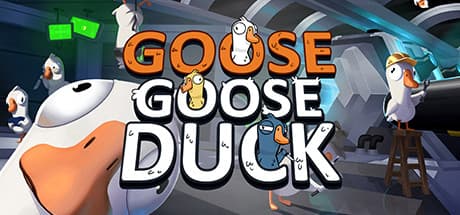
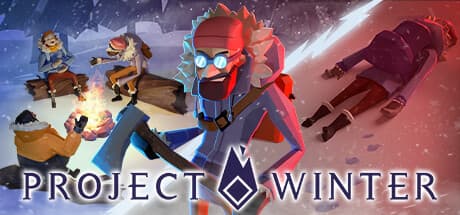
If your friends want the closest low-friction swap, start with Goose Goose Duck. If they want a longer night with survival, betrayal, and more room for paranoia, play Project Winter. If they want everyone yelling over tasks in first person, pick LOCKDOWN Protocol.
Do not pick the deepest hidden-role game by default. Among Us works because rounds are short, the rules are readable, and even a bad liar can still have a good time. The better filter is your group: how many people show up, how much they like voice chat, and whether betrayal should be funny or stressful.
Closest Among Us swap
Longer betrayal night
Loud first-person sabotage
Office-party chaos
Deeper deduction
Choose by how your group behaves when it has to lie.
Pick by the group you actually have
Use this table before buying anything. The best multiplayer games like Among Us are group-fit games first and genre-fit games second.
| Your group | Play first | Why it fits | Skip if |
|---|---|---|---|
| Wants Among Us with more roles | Goose Goose Duck | Same basic social loop, more role variety, easy pitch. | Your group hates learning extra roles. |
| Likes longer betrayal stories | Project Winter | Survival tasks create real trust problems. | You need five-minute rounds. |
| Talks over each other on voice | LOCKDOWN Protocol | First-person tasks make accusations immediate. | Quiet players will get steamrolled. |
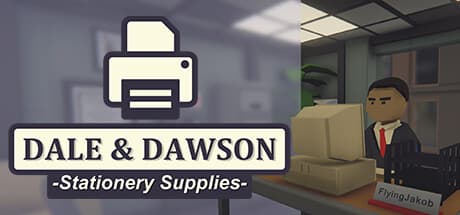
| Wants messy office roleplay | Dale & Dawson Stationery Supplies | The joke is social pressure as much as deduction. | You want clean impostor rules. |
| Wants reading and voting | Town of Salem | The deduction is deeper and more text/role driven. | You need movement and quick task play. |
| Wants horror pressure | Deceit | Betrayal turns into action and fear. | Your group wants party chaos, not stress. |
Closest games like Among Us
Pick this lane if your group mainly wants tasks, meetings, roles, and quick blame. These games keep the shape of Among Us close enough that nobody needs a lecture before the first round.

Goose Goose Duck
Recommendation
- Best for
- Groups that want the shortest jump from Among Us.
- Why it fits
- It keeps the familiar task-and-traitor rhythm, then adds enough roles to make repeat nights less stale. It is the safest first pick when you need a game everyone understands quickly.
- Skip if
- Your group already struggled with Among Us rules. Goose Goose Duck gets busier once the role list opens up.
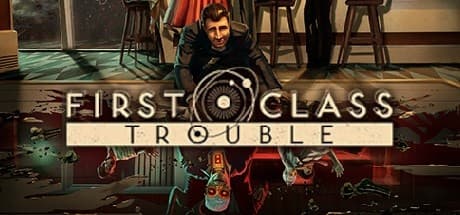
First Class Trouble is the better pick when your group wants the same social read in a glossier 3D space. It asks people to perform more, which is great for confident voice-chat groups and rough for quiet ones.
First Class Trouble
Recommendation
- Best for
- Voice-chat groups that want social reads with more presentation.
- Why it fits
- The core tension is still cooperation with hidden killers, but the 3D spaces and character interactions make lying feel more theatrical than in Among Us.
- Skip if
- Your friends want fast mobile-style rounds or hate being put on the spot.
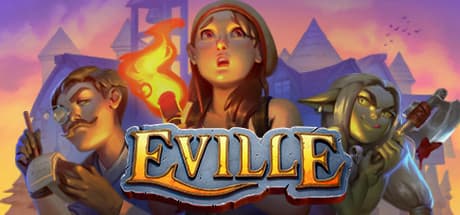
Eville is a more traditional hidden-role answer. It works when your group likes the village-trial idea and wants roles, suspicion, and voting without turning the night into first-person chaos.
Eville
Recommendation
- Best for
- Groups that want a classic hidden-role village structure.
- Why it fits
- It leans harder into roles and deduction than task routing. That makes it useful for groups that like arguing through possibilities more than sprinting around a map.
- Skip if
- You want the immediate readability and short-loop comfort of Among Us.
Bigger betrayal nights
Choose this lane if your group liked the lying but wants each round to tell a longer story. These picks are better for scheduled game nights than quick "one more round" sessions.

Project Winter
Recommendation
- Best for
- Friend groups that want cooperation, survival, and betrayal in longer rounds.
- Why it fits
- The traitor is dangerous because everyone also has real work to do: gather, repair, survive, split up, and decide who can be trusted. That gives the lies more texture than a simple meeting vote.
- Skip if
- Your group only has time for quick rounds or gets annoyed when a bad decision ruins a long match.
Deceit belongs here only if the group wants pressure. It moves away from party deduction and toward horror/action betrayal, so it is a good fit for confident players and a bad default for casual Among Us nights.
Deceit
Recommendation
- Best for
- Groups that want betrayal with horror and action pressure.
- Why it fits
- The fun comes from suspicion under threat, not from a neat meeting-room argument. It changes the Among Us question into a louder, scarier trust problem.
- Skip if
- Your group wants funny accusations, simple tasks, and low-stress rounds.
Loud first-person chaos
Pick this lane when your group is comfortable talking, accusing, interrupting, and laughing through confusion. These are not the safest games like Among Us for quiet groups, but they can be the funniest for loud ones.

LOCKDOWN Protocol
Recommendation
- Best for
- Voice-chat groups that want task sabotage in first person.
- Why it fits
- It keeps the social suspicion but makes proximity matter. Someone messes with the job, someone saw something, and the argument starts before the round has time to feel tidy.
- Skip if
- Your group has quiet players who will not fight for airtime.
Dale & Dawson Stationery Supplies is the weirder party pick. It is less about pure impostor math and more about whether your group enjoys roleplaying suspicion in a stupid office.
Dale & Dawson Stationery Supplies
Recommendation
- Best for
- Groups that want social chaos more than clean deduction.
- Why it fits
- The office setup makes suspicion funny before it is strategic. It is a strong pick when your friends turn every meeting into a bit anyway.
- Skip if
- You want the game to clearly explain who should be doing what at all times.
The wrong default: deeper deduction is not always better
The search phrase "social deduction games like Among Us" can point you toward games with more roles, more reading, and more rules. That sounds like an upgrade, but it can break the exact thing your group liked.
If half your group enjoyed Among Us because it was quick and readable, do not start with the most complex role game. Start with Goose Goose Duck or LOCKDOWN Protocol. Save deeper deduction for the friends who enjoy arguing through evidence after the funny part is over.
Town of Salem
Recommendation
- Best for
- Groups that want deduction, role claims, and voting more than movement.
- Why it fits
- It is the deeper social-reading pick in this set. The game is strongest when people enjoy parsing claims, catching contradictions, and committing to votes.
- Skip if
- Your group wants map movement, tasks, and quick visual evidence.
Quick buyer caveats
Most games like Among Us on Steam ask for a real group. Public lobbies can work, but this genre is better when the players know each other's habits and can laugh off a bad accusation.
The safest cheap/free first tests are Goose Goose Duck and Deceit. If your group is willing to buy one focused game-night pick, Project Winter, LOCKDOWN Protocol, and Dale & Dawson Stationery Supplies are the cleaner decisions.
| If your group wants... | Click first | | --- | --- | | The closest Among Us replacement | Goose Goose Duck | | A longer betrayal survival night | Project Winter | | Loud first-person sabotage | LOCKDOWN Protocol | | Social chaos and office roleplay | Dale & Dawson Stationery Supplies | | Deeper deduction and role claims | Town of Salem | | Horror/action betrayal | Deceit |
Pick the row that matches your group, not the game with the most serious deduction label.
If you are still undecided, start with Goose Goose Duck. It keeps the Among Us shape intact, which makes it the lowest-risk test before you ask your group to learn a longer, louder, or meaner betrayal game.
Play queue
Play these next
See game details, similar picks, and store options.