Closest modern party campaign
Best build freedom
Best tactical combat first
Best reactive questing
Choose by the part of BG3 you want back: party drama, character planning, tactical turns, or quests that remember what you did.
The broad Games Like Baldur's Gate 3 page is the source-game similarity hub. This guide is narrower: what to play after one full campaign when a generic fantasy RPG list will waste your time.
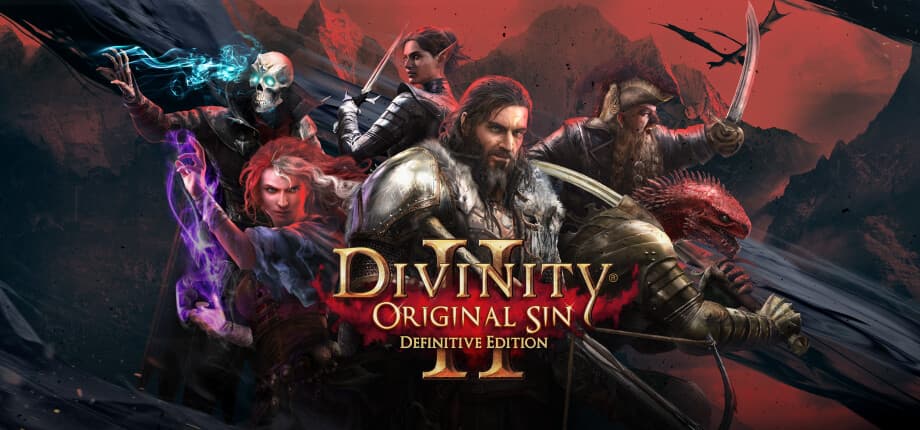
If you want the closest next click, start with Divinity: Original Sin 2 - Definitive Edition. It is the cleanest answer because it comes from the same studio and keeps the party-campaign shape: dialogue choices, environmental combat, co-op-friendly chaos, and quests that bend around bad ideas.
If BG3 was really a character-builder for you, go to Pathfinder instead. If it was a tactics board, go to Solasta. If it was a choice-and-consequence machine, go to Pillars, Tyranny, or Disco Elysium. The important move is to stop searching for "more fantasy" and pick the pressure you actually enjoyed.
Pick by the BG3 itch you miss
Most games like Baldur's Gate 3 only match one or two parts of it. That is fine. BG3 is unusually broad: cinematic companions, D&D-like builds, turn-based combat, co-op improvisation, romance, stealth, persuasion, murder, mercy, and a campaign that tolerates strange routes.
Use this table as the first filter. It tells you what to click first and what you are giving up.
| What you want back from BG3 | Play first | Why | Tradeoff |
|---|---|---|---|
| Larian-style party chaos | Divinity: Original Sin 2 | Same studio rhythm, reactive quests, co-op, and elemental combat. | Less cinematic companion intimacy. |
| Endless character planning | Pathfinder: Wrath of the Righteous | Classes, mythic paths, party builds, and campaign-scale choice. | Much denser than BG3. |
| Cleaner tactical turns | Solasta: Crown of the Magister | Strong tabletop-style positioning and combat readability. | Lighter writing and party drama. |
| Factions and quest reactivity | Pillars of Eternity II: Deadfire | Companions, factions, and decisions that shape the campaign. | Less immediately cinematic. |
| Squad builds with harsher choices | Wasteland 3 | Turn-based party combat plus grim quest outcomes. | Post-apocalyptic, not fantasy. |
| Writing and consequence without combat | Disco Elysium | Dialogue checks, inner conflict, and choice-heavy role-play. | Not a party combat RPG. |
If you want the closest modern party RPG
Start here if your BG3 memory is a whole campaign, not one mechanic: party members arguing, fights turning sideways, dialogue checks opening strange routes, and a build that changes how you solve problems. The tradeoff is presentation. No follow-up gives you BG3's exact cinematic companion treatment.

Divinity: Original Sin 2 - Definitive Edition
Recommendation
- Best for
- BG3 players who want the safest next campaign.
- Why it fits
- It keeps the Larian habit of making combat, dialogue, stealing, elemental surfaces, and bad plans collide. Pick it first if you want another party RPG where systems keep making stories.
- Skip if
- You need BG3's cinematic companion scenes, D&D rules, and dice-check presentation.
Divinity is the first answer for most players, but it is not the only answer. It is best when you miss the way BG3 let a fight, conversation, or co-op mistake become the story. It is weaker if your favorite parts were voiced companion intimacy and D&D class identity.
Pathfinder: Wrath of the Righteous - Enhanced Edition
Recommendation
- Best for
- Players who treated BG3 like a build lab.
- Why it fits
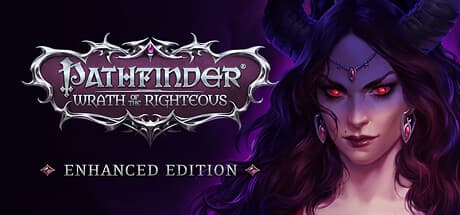
- Classes, archetypes, feats, mythic paths, party roles, and campaign choices make it the strongest pick when planning characters was half the fun.
- Skip if
- You want BG3's readability and low-friction onboarding.
Pathfinder is the right kind of overwhelming for some BG3 players. It rewards the person who spent more time planning level-ups than decorating camp. If you bounced off BG3's menus, do not start here.
If the build lab sounds right but the party campaign does not, the Diablo-like games guide takes the same itch into loot builds.
Pillars of Eternity II: Deadfire
Recommendation
- Best for
- Classic CRPG comfort with companions, factions, and reactive questing.
- Why it fits
- It is a strong next stop when you want a party, a ship, faction pressure, readable quest consequences, and a world that keeps asking what kind of captain you are.
- Skip if
- You only want strict turn-based combat and cinematic cutscenes.
Deadfire is less obvious than Divinity, but it has the right long-session texture: talk, travel, argue, commit to a faction, regret it, rebuild the party, and keep moving.
If turn-based tactics mattered more than romance
Choose this lane if your favorite BG3 moments were high-ground plans, spell ranges, shove angles, enemy priority, and the relief of a clean turn. The tradeoff is writing. The tighter the tactics get, the less likely you are to get BG3-level companion scenes.

Solasta: Crown of the Magister
Recommendation
- Best for
- A clean turn based RPG with tabletop-like combat.
- Why it fits
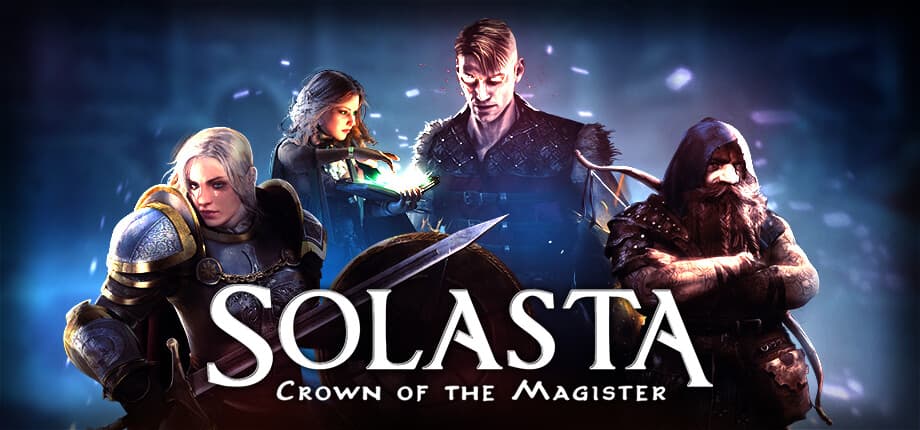
- It puts party positioning, elevation, light, spell ranges, and encounter structure in the foreground. Pick it when you want the rules to matter more than the romance scene.
- Skip if
- You need memorable companions, big production values, and sharp writing.
Solasta is the honest tactics pick. It will not charm you like BG3's camp, but it understands why a difficult encounter can be satisfying when every tile matters.
Wasteland 3
Recommendation
- Best for
- Turn-based squad tactics with ugly moral choices.
- Why it fits
- It swaps fantasy for frozen Colorado, then keeps the party-building, tactical fights, quest consequences, and darkly funny decisions.
- Skip if
- You need swords, spells, romance, and D&D fantasy tone.
Wasteland 3 is a better BG3 follow-up than it looks if your real hook was the squad. You still build roles, manage turn order, solve fights, and live with decisions. You just trade goblins and gods for guns and factions.
Warhammer 40,000: Rogue Trader
Recommendation
- Best for
- Dense party builds and turn-based combat in a huge setting.
- Why it fits
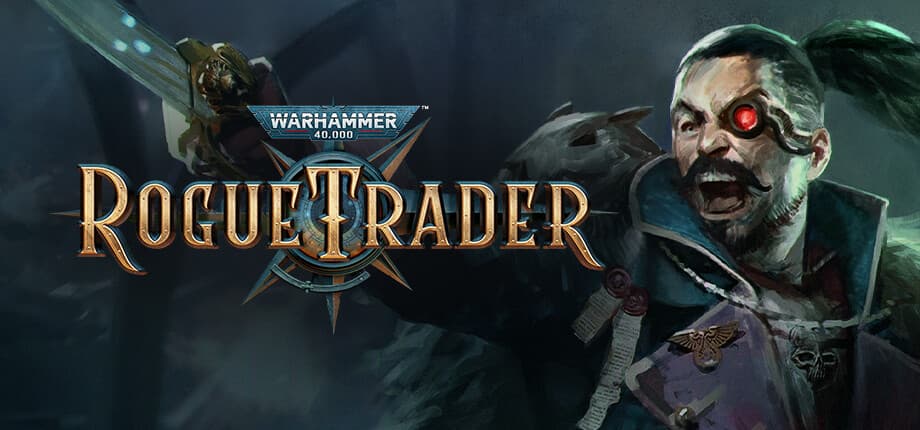
- It gives you a big campaign, companions, factions, absurd power, and a lot of systems to tune if you want another CRPG with weight.
- Skip if
- You do not want to learn Warhammer terms or deal with heavier system density.
Rogue Trader is for the player who finished BG3 and still wants a giant rulebook. It is not the easy recommendation, but it is a strong one if you like the feeling of a party build slowly becoming dangerous.
If choices and consequences were the point
Pick this lane if the combat was useful but not sacred. You want conversations to matter, factions to remember you, and quests that make a clean moral answer hard. The tradeoff is that some of these move away from BG3's party-combat structure.
Disco Elysium - The Final Cut
Recommendation
- Best for
- BG3 players who loved checks, dialogue, consequences, and weird failure.
- Why it fits
- It has no party tactics, but it is one of the best answers if your favorite BG3 moments were persuasion rolls, internal conflict, failed checks, and choices that reveal who your character is.
- Skip if
- You need combat, loot, classes, and a full adventuring party.
Disco Elysium is not a substitute for BG3's combat. It is a substitute for the part where you stare at a dialogue choice and know your build, history, and mood are all about to matter.
Tyranny
Recommendation
- Best for
- Compact CRPG reactivity and faction pressure.
- Why it fits
- It starts after evil has already won, then asks what kind of authority you become. Pick it when you want hard faction decisions without a hundred-hour sprawl.
- Skip if
- You want modern presentation, romance, and turn-based combat.
Tyranny is a sharper, smaller recommendation. It is useful for BG3 players who liked being forced into imperfect decisions more than collecting another long fantasy checklist.
Pillars of Eternity II: Deadfire
Recommendation
- Best for
- Reactive party questing with more traditional CRPG structure.
- Why it fits
- Its factions, companions, ship travel, and quest outcomes make it one of the best choices when you want the world to push back against your decisions.
- Skip if
- You only want D&D-style turn-based battles.
Deadfire belongs in both the party-RPG and consequence lanes. If you are deciding between it and Tyranny, choose Deadfire for a broader adventure and Tyranny for a tighter, darker role-play problem.
The tempting default is not always the right next game
Dragon Age: Origins - Ultimate Edition sounds like the obvious answer. It has companions, party banter, camp energy, origin stories, tactical pausing, romance, and the old BioWare shape that BG3 players often want.
It is still a good recommendation. It is just not the first answer for every BG3 player. If you want modern turn-based tactics, choose Solasta or Wasteland 3. If you want build depth, choose Pathfinder. If you want Larian systems, choose Divinity.
Dragon Age: Origins - Ultimate Edition
Recommendation
- Best for
- Companion drama, party banter, and classic BioWare campaign structure.
- Why it fits
- It remains one of the clearest choices if your BG3 memory is traveling with a party that talks, judges, flirts, and changes the emotional texture of the campaign.
- Skip if
- You need modern UI, turn-based combat, or BG3's systemic freedom.
Buy Dragon Age for the party. Do not buy it because a list told you every fantasy RPG is the same kind of BG3 follow-up.
Also consider, with the tradeoff clear
These are not filler picks. They just solve narrower versions of the BG3 problem. Choose them when the caveat sounds acceptable, not when you want the safest first purchase.
| Game | Why it might fit | Main caveat |
|---|---|---|
| Warhammer 40,000: Rogue Trader | Huge CRPG campaign, party builds, turn-based combat, and faction pressure. | Dense lore and systems. |
| Wasteland 3 | Strong squad tactics and ugly choices. | Different tone and no fantasy party romance. |
| Disco Elysium | One of the best choice-and-dialogue RPGs. | No party combat. |
| Tyranny | Compact, reactive, morally nasty CRPG. | Older presentation and niche tone. |
| Dragon Age: Origins | Best old-school party banter route. | Not turn-based and not as systemic as BG3. |
What to play first
If you are still stuck, do not pick the longest game. Pick the one that matches the reason you opened the search tab.
Start here for party chaos, co-op-friendly systems, reactive quests, and elemental combat.
Pick these if you liked planning characters, roles, feats, and power curves.
Choose these when positioning, encounter rules, and squad turns matter more than romance.
These are the best route when dialogue, factions, and failure matter more than another fantasy fight.
Play this for companions and campaign feeling, not for BG3's turn-based systems.
Choose the row that matches your post-BG3 problem, not the game with the most familiar fantasy label.
Still undecided? Play Divinity: Original Sin 2 first if you want the safest games-like-BG3 answer. Play Pathfinder only if the idea of reading classes and planning builds sounds fun tonight.
FAQ: games like Baldur's Gate 3
Use these answers when you are narrowing the search term into a purchase decision. The useful split is still the same: closest Larian campaign, deeper builds, tactical turns, or consequence-heavy role-play.
What is the closest game to Baldur's Gate 3?
Divinity: Original Sin 2 - Definitive Edition is the closest overall pick because it shares Larian's party-campaign structure, systemic combat, co-op chaos, and reactive quest design. It is less cinematic than BG3, but it is the safest first click.
What should I play after BG3 if I mainly liked builds?
Start with Pathfinder: Wrath of the Righteous. It is denser than BG3, but it is the strongest choice here if classes, party roles, and long-term character planning were the hook.
What is a good turn based RPG after Baldur's Gate 3?
Solasta: Crown of the Magister is the cleanest tactical answer. Choose Wasteland 3 if you are fine leaving fantasy behind for squad builds and darker quest choices.
Are games like BG3 always fantasy CRPGs?
No. Some of the best games like BG3 match the party and decision structure rather than the fantasy skin. Wasteland 3, Rogue Trader, and Disco Elysium can be better picks than a generic action-fantasy RPG if you care about squad decisions, dialogue, and consequences.
Play queue
Play these next
See game details, similar picks, and store options.