If your group wants games like Phasmophobia, first decide what actually makes everyone queue up. Some groups want the slow ritual of collecting evidence and arguing over ghost types. Some want the open-mic panic when a plan falls apart. Some just want a scarier co-op night with objectives, chases, and someone yelling from the next room.
Start with Demonologist if the ghost-investigation structure is the main thing. Pick Lethal Company if Phasmophobia works because your friends make bad calls over proximity chat. Choose The Outlast Trials if your group wants bigger production, harsher chases, and less detective work.
The wrong default is buying the loudest horror game and hoping it recreates the evidence board. Phasmophobia is tense because investigation, uncertainty, tools, and group communication all matter. If you remove the clue work, you may still get screams, but you lose the table-talk that makes the night memorable.
Closest ghost investigation
Comedy panic over comms
Harder co-op horror trials
Ritual objective chaos
Pick by what your group enjoys between hunts: solving clues, making calls, laughing at bad plans, or surviving pressure.
The shared itch
Phasmophobia is not just a ghost game. It is a group deduction game where fear interrupts the plan. You bring tools, split roles, test evidence, push your luck, and then decide whether the extra objective is worth someone getting caught alone.
That is why the best alternatives split into lanes. Investigation-heavy games keep the clue board. Social-panic games keep the voice-chat stories. Objective horror keeps the teamwork but turns the volume up. None of those lanes is automatically better; the right one depends on why your group still talks about the last hunt.
| If your group misses... | Start with | What changes |
|---|---|---|
| Ghost evidence and exorcism steps | Demonologist | More scripted scares and a different evidence rhythm |
| Proximity-chat comedy and bad plans | Lethal Company | Less deduction, more scavenging and quota pressure |
| Big-budget co-op horror pressure | The Outlast Trials | Less mystery, more chase and stealth stress |
| Ritual objectives under attack | DEVOUR | Simpler clue work, faster escalation |
| Archaeology-flavored investigation | FOREWARNED | Different setting and a more adventure-room feel |
Closest picks for ghost investigation
Choose this lane when the best part of Phasmophobia is the whiteboard conversation: which evidence counts, who saw what, and whether the team has enough proof to leave. These games keep investigation in the center instead of turning every session into pure chase horror.

Demonologist
Recommendation
- Best for
- Groups that want the closest Phasmophobia-style loop: equipment, evidence, creepy locations, and a shared ghost call.
- Why it fits
- Demonologist keeps the investigative structure while adding more overt haunt-house presentation. It works when the group wants to keep arguing over evidence instead of switching genres.
- Skip if
- You want a looser comedy sandbox or you are tired of ghost-type deduction entirely.
Demonologist should be the first click for most Phasmophobia groups because it preserves the job: enter, test, identify, survive. The tradeoff is tone. It is more theatrical, so the scares can feel less like quiet dread and more like a haunted attraction.
FOREWARNED
Recommendation
- Best for
- Players who like investigation but want tombs, relics, and archaeology flavor instead of suburban ghost rooms.
- Why it fits
- FOREWARNED keeps the evidence-hunt shape and co-op role pressure, but changes the setting enough that it feels like a new group night instead of a direct clone.
- Skip if
- Your group only wants modern ghost-hunting tools and the exact Phasmophobia rhythm.
FOREWARNED is a good second pick when you want clue work but not another house investigation. It is less iconic than Phasmophobia, but the setting shift gives the group new language for the same basic tension: how much proof is enough before greed gets someone killed?
Social panic and proximity-chat stories
Choose this lane if your best Phasmophobia nights are funny in hindsight. Maybe the ghost hunt was fine, but the real memory is one friend giving terrible directions, another refusing to enter the room, and everyone hearing the exact second the plan collapsed.

Lethal Company
Recommendation
- Best for
- Groups that want proximity-chat panic, scavenging, bad calls, and stories that get funnier after the run.
- Why it fits
- Lethal Company replaces ghost evidence with quota pressure and unsafe looting. It still forces the team to split up, communicate, improvise, and laugh when someone disappears mid-sentence.
- Skip if
- Your group specifically wants paranormal deduction or a slower investigation tempo.
Lethal Company is not the closest mechanical match, and that is the point. Pick it when Phasmophobia is mostly a social machine for your group. It gives you fewer careful tests and more bad expeditions where one extra room was obviously a mistake.
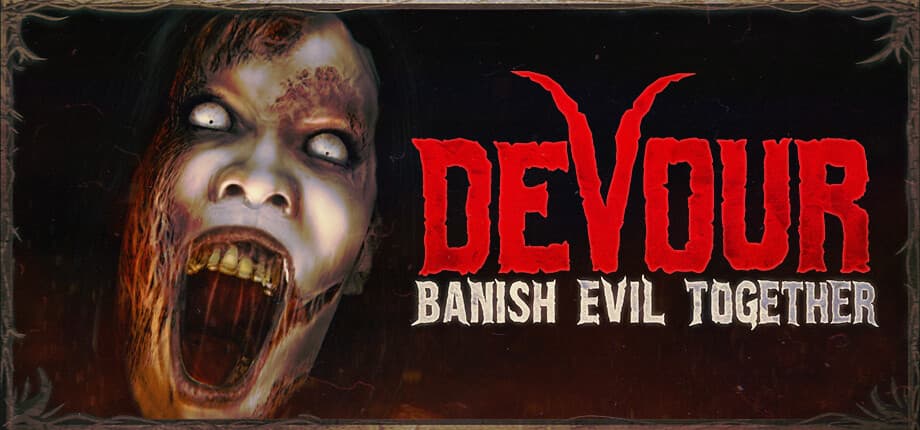
DEVOUR
Recommendation
- Best for
- Groups that want ritual objectives, fast escalation, and a simple plan that keeps going wrong.
- Why it fits
- DEVOUR is easier to explain than a full evidence game: complete the ritual, manage the threat, recover when someone gets caught. It is a strong fit for groups that want less reading and more panic.
- Skip if
- You need a deep investigation layer or dislike repeated objective runs.
DEVOUR is the sharper party-horror option. It keeps co-op coordination but drops most of the detective layer. That makes it easier to start and easier to burn out on, so use it for groups that want pressure now rather than a long-term investigation hobby.
Harder horror for groups that want pressure
Choose this lane when Phasmophobia has become too familiar. Your group knows the rooms, the rhythm, and the safe jokes. These picks are better when you want less comfort and more physical threat.

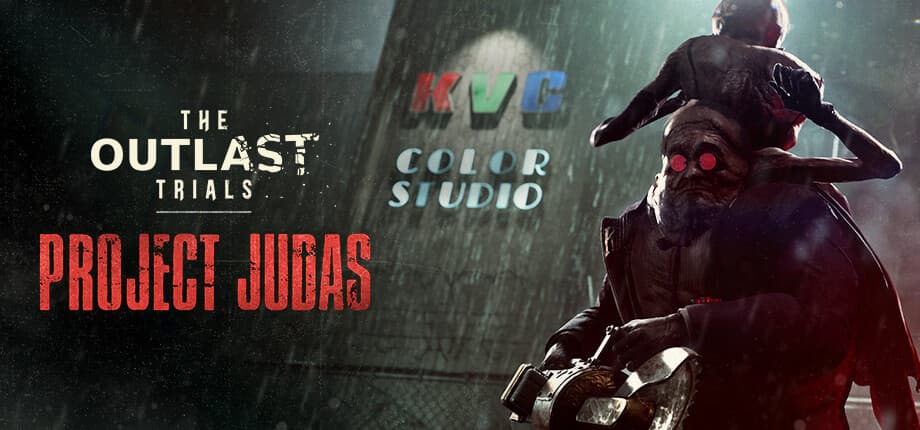
The Outlast Trials
Recommendation
- Best for
- Groups that want louder, harsher co-op horror with objectives, stealth, and chases.
- Why it fits
- The Outlast Trials keeps the team tension but trades ghost identity work for survival under pressure. It is stronger when everyone wants a full horror night, not a clue-solving night.
- Skip if
- You want low-combat deduction, equipment tests, or comedy-forward voice-chat chaos.
The Outlast Trials is the escalation pick. It is a worse Phasmophobia replacement if your group wants gadgets and ghost logic. It is a better Friday-night horror pick if the group is bored of quietly checking EMF readings.
The wrong default: any co-op horror tag
The Steam tag is too broad. A co-op horror game can be a shooter, a stealth gauntlet, a comedy scavenger run, or an evidence puzzle. Buying by tag is how groups end up with a technically good game that nobody wants to play twice.
For a Phasmophobia group, the useful question is what happens between scares. If people enjoy the argument, buy investigation. If they enjoy hearing the panic, buy proximity-chat chaos. If they want to be pushed harder, buy objective horror. The monster matters less than the conversation it creates.
Best first pick when the evidence loop is still the reason your group plays.
Choose this when Phasmophobia is mostly a machine for bad plans and voice-chat stories.
Pick this when the group wants chases, stealth, and stronger horror pressure.
Good for groups that want quick objective runs without a deep evidence board.
Use this when the clue work sounds right but haunted houses feel played out.
Pick the group habit first. The right horror game follows from that.
If you are still undecided, start with Demonologist. It is the cleanest answer for a Phasmophobia group that still wants to walk into a location, gather evidence, and argue over the final call before someone gets too brave.
Play queue
Play these next
See game details, similar picks, and store options.