Slay the Spire is hard to replace because the hook is not just cards. It is the pressure of seeing a bad hallway fight coming, taking a relic that changes your whole deck, upgrading one card instead of healing, and hoping the boss does not punish the choice.
If you want the closest card-battle run pressure, start with Monster Train. If you want the same "one more run" math without fantasy combat, play Balatro. If you want surprise and table-side unease, choose Inscryption. If the missing piece is party planning or co-op, go to Across the Obelisk.
The wrong default is buying the next famous roguelike deckbuilder because it has cards, relics, and runs. That can miss the real reason you came looking for games like Slay the Spire: the exact mix of draft tension, route risk, enemy intent, and boss pressure.
Closest run pressure
Score-chasing math
Dark surprise
Party deckbuilding
Compact dice risk
Punishing lane tactics
Pick by the pressure you want inside each run, not by the broad deckbuilder label.
Pick by run pressure
Use this table before you buy anything. Slay the Spire like games split fast: some care about card combat, some about probability, some about story surprise, and some about party builds.
| What you want back | Play first | Why it fits | Skip if |
|---|---|---|---|
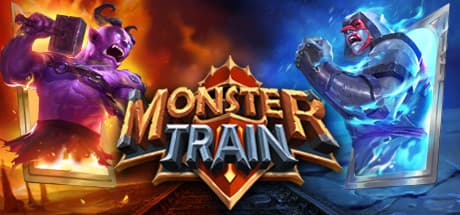
| Card-battle pressure with bigger lanes | Monster Train | Multi-floor fights, clan synergies, upgrades, and boss pressure keep every run tense. | You want Slay the Spire's clean one-enemy-row readability. |
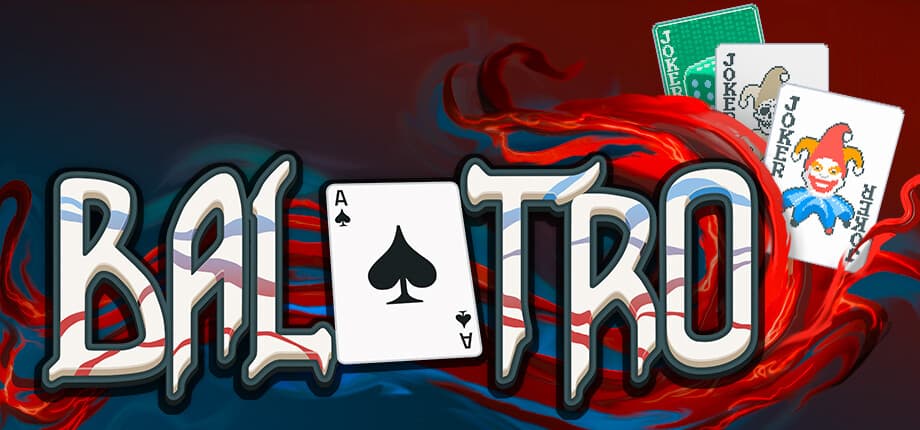
| Math obsession and score escalation | Balatro | Poker hands become a roguelike scoring engine with brutal ante pressure. | You need monsters, attacks, and defensive turns. |
| Story shock and card-table weirdness | Inscryption | It uses card combat as a trapdoor into secrets, rules, and mood. | You mainly want endless balanced runs. |
| Party decks and co-op planning | Across the Obelisk | Four heroes, roles, group builds, and campaign choices make the deckbuilding social. | You want short solo runs. |
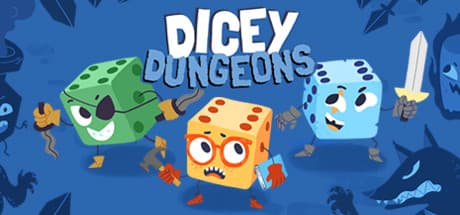
| Compact rules and dice risk | Dicey Dungeons | Dice rolls create quick tactical choices without a heavy deck economy. | You want deep card drafting. |
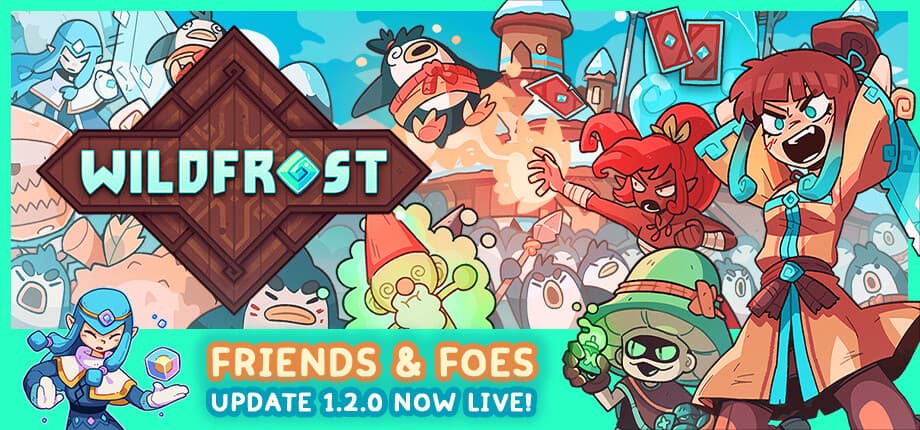
| Tactical board punishment | Wildfrost | Countdown timers and lane placement make every turn feel dangerous. | You dislike harsh board-state punishment. |
Closest card-battle pressure
Choose this lane if Slay the Spire worked because every fight made you read intent, protect the run, and make a deck stronger without making it bloated. You want combat pressure first, not just card collection.

Monster Train
Recommendation
- Best for
- Players who want the closest roguelike deckbuilder pressure without replaying Slay the Spire.
- Why it fits
- It keeps the run economy, card upgrades, faction synergies, and boss checks, then changes the fight into a multi-floor defense problem.
- Skip if
- You want the cleanest possible enemy-intent puzzle. Monster Train is busier and more combo-heavy.
Wildfrost is the sharper backup if you want your mistakes punished immediately. It asks you to care about placement, countdowns, companions, and enemy timing more than raw deck size.
Wildfrost
Recommendation
- Best for
- Players who want a tougher tactical card board with pressure every turn.
- Why it fits
- The lane layout and countdown timers make small choices matter. A weak turn can snowball fast, which is the point if you miss Slay the Spire's boss-room tension.
- Skip if
- You want forgiving discovery. Wildfrost can feel brittle until its rules click.
Math, probability, and score pressure
Pick this lane if the part you loved was not blocking damage, but turning ugly odds into a run-winning engine. These games replace enemy intent with probability pressure.

Balatro
Recommendation
- Best for
- Slay the Spire players who want build math, escalating pressure, and run-breaking synergies.
- Why it fits
- Jokers, deck edits, antes, multipliers, and hand choices create the same kind of run obsession through scoring instead of combat.
- Skip if
- You need card battles with enemies, health, defense, and boss intent.
Dicey Dungeons is the lighter choice when you want visible risk. It is less of a deep deckbuilder, but the dice make every turn easy to read and hard to fully control.
Dicey Dungeons
Recommendation
- Best for
- Players who want compact tactical runs built around dice rolls and character rules.
- Why it fits
- Each character changes how you use dice, equipment, and risk. It is quick to understand and still gives you that run-by-run adaptation loop.
- Skip if
- You want a long card-draft economy with relic-style layering.
Dark surprise and card-table fiction
Go here if you want a card game that makes you suspicious of the table itself. The tradeoff is longevity: the first ride matters more than grinding perfect repeatable runs.

Inscryption
Recommendation
- Best for
- Players who want card battles wrapped in horror, secrets, and rule-breaking surprises.
- Why it fits
- It understands card pressure, but its real strength is atmosphere. The table, opponent, and rules keep shifting in ways a normal recommendation list should not spoil.
- Skip if
- You want a transparent, balanced run machine you can play forever.
Party decks and co-op planning
Choose this if Slay the Spire made you wish the whole party had decks, roles, and build jobs. You give up short solo purity for a slower campaign with more planning between fights.
Across the Obelisk
Recommendation
- Best for
- Players who want a party-based roguelike deckbuilder, especially with co-op.
- Why it fits
- Four heroes bring roles, status effects, team synergies, and campaign decisions. The fun is making the whole party work, not just perfecting one deck.
- Skip if
- You want fast solo ascension-style runs with minimal setup.
Across the Obelisk is also the clearest pick if the search behind "games like Slay the Spire" really means "I want this structure with friends." It is heavier, but the extra weight has a purpose.
The wrong default
The misleading shortcut is treating every deckbuilding roguelike like Slay the Spire. A game can have card rewards, relic-ish modifiers, and randomized runs while missing the pressure that made you care.
If you want enemy intent and fight pressure, do not start with a pure scoring game. Pick Monster Train or Wildfrost. If you want obsession over odds, Balatro is the cleaner answer than another fantasy card battler. If you want story and surprise, Inscryption is more honest than a longer list of balanced roguelikes.
That is why this guide starts below the obvious Slay the Spire comparison and focuses on the split that matters before you buy.
FAQ: games like Slay the Spire
These are the common splits behind Slay the Spire like games: card-battle pressure, score math, dark surprise, party deckbuilding, dice risk, and tactical lane punishment.
What is the closest game like Slay the Spire?
Monster Train is the best first pick if you want card battles, upgrades, run pressure, and boss checks. It changes the battlefield into multi-floor defense, so it feels familiar without being a clone.
Is Balatro good for Slay the Spire fans?
Yes, if you liked building a broken engine under pressure. Balatro is not a combat game, but its jokers, deck edits, multipliers, and antes create a similar "one more run" loop.
What should I play if I want a darker card game?
Play Inscryption. It is the strongest pick when you want card combat, secrets, horror mood, and surprise more than a clean forever-run structure.
What is the best co-op deckbuilder like Slay the Spire?
Across the Obelisk is the clearest co-op pick because the whole party has roles, decks, and synergies. It is slower than Slay the Spire, but better for group planning.
What to play first
Use the final pick to match tonight's run appetite. If you want another card-battle machine, do not overcomplicate it; start with Monster Train. If the missing feeling is math, mood, co-op, or short tactical risk, use the split below.
Start here if you want card fights, upgrades, clans, and boss checks.
Pick this if you care more about probability, multipliers, and breaking a run economy than fighting monsters.
Choose this when the card table should feel strange, hostile, and better discovered blind.
Use this if you want roles, heroes, and group deckbuilding instead of one solo deck.
Dicey Dungeons is lighter and cleaner; Wildfrost is harsher and more board-state driven.
Choose the pressure you miss first. The right card game gets obvious after that.
If you are still undecided, click Monster Train first. It is the cleanest bridge from Slay the Spire's deckbuilding, upgrades, risky fights, and boss pressure without making you leave card combat behind.
Play queue
Play these next
See game details, similar picks, and store options.