Games like Dispatch when you want messy choices, episodes, and superhero management
A practical guide to games like Dispatch for players who want episodic choices, superhero drama, workplace triage, or team management pressure.
Starting point
Dispatch
Start from Dispatch, then pick by the part of the game you want back.
If you are looking for games like Dispatch, do not start with the superhero tag. Dispatch works because the cape stuff is tangled with shift work, public messes, cast relationships, and choices that feel bad even when you pick the least awful option.
Start with Batman - The Telltale Series if the superhero episode structure is the main hook. Pick The Wolf Among Us if you want another stylish choice drama where every conversation feels loaded. Choose Marvel's Midnight Suns if the thing you miss is building a superhero roster, managing relationships, and living with the team between missions.
The tradeoff is simple: no single pick replaces the whole Dispatch mix. The better move is to choose the missing pressure first, then buy the game that actually feeds it.
Choose by what you miss from Dispatch: caped consequences, ugly dialogue choices, roster care, or the pressure of making public decisions from a desk.
The shared itch
Dispatch is not just an interactive story and not just a superhero game. It is a game about managing people who are already a problem before the mission starts. The best follow-ups keep at least one of those pressures alive: episode pacing, impossible calls, a messy team, or a job interface that turns choices into consequences.
Choose this lane when you want capes, secrets, public fallout, and episode breaks. These are the closest picks if Dispatch made you want more superhero drama where the civilian side and the heroic side keep damaging each other.
Batman - The Telltale Series is the cleanest first stop when Dispatch's superhero episode structure is the main thing.
Dispatch players who want superhero episodes, public/private identity choices, and consequences that carry across scenes.
Why it fits
It keeps the choice-led episode rhythm while putting the superhero identity problem in the center. You are managing Bruce Wayne, Batman, allies, suspects, and public damage instead of only chasing villains.
Skip if
You mainly want the dispatch-console job loop or a larger team-management system.
Batman - The Telltale Series is the safest first click for the title angle. It does not give you Dispatch's exact workplace premise, but it understands the same superhero problem: the mask does not protect you from social fallout.
Players who want superhero team management, relationship upkeep, and a roster that matters between missions.
Why it fits
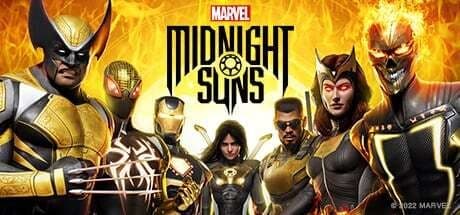
Midnight Suns moves the pressure from episodes into daily team care, tactical fights, and relationship choices. It is the better pick when Dispatch made you like managing heroes as people.
Skip if
You want a mostly dialogue-driven episodic game with little combat.
Marvel's Midnight Suns is less like Dispatch structurally but closer on the "keep the team functional" fantasy. Pick it when the cast management matters more than the episode cliffhangers.
Messy choice games when the dialogue is the point
Choose this lane if the best part of Dispatch is not the superhero premise but the feeling that every conversation is a small trap. These games are slower than Dispatch in different ways, but they put character pressure and consequence at the center.
Players who want loaded dialogue, stylish episodes, hard reads, and a cast that rarely gives you a clean answer.
Why it fits
The Wolf Among Us keeps the Telltale choice rhythm and wraps it in a grim fairy-tale noir case. It fits Dispatch players who want messy adults making worse situations worse.
Skip if
You need superhero management, roster systems, or a job-console loop.
The Wolf Among Us is the choice-drama pick with the least wasted motion. It is sharp, short enough to keep momentum, and still very good at making a simple dialogue option feel like trouble.
Players who want episodic decisions, relationship stress, and consequences that feel personal rather than tactical.
Why it fits
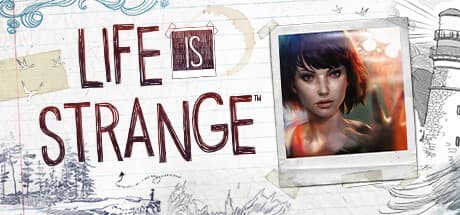
Life is Strange trades workplace pressure for intimate social pressure. It is a strong pick when Dispatch made you care about timing, regret, and the cost of saying the wrong thing.
Skip if
You want comedy, superhero spectacle, or management systems.
Life is Strange is the softer but more emotional branch. It does not have Dispatch's workplace comedy or hero staffing, so buy it when the episode format and character fallout matter more than the capes.
Players who want harsh episodic survival choices and fast attachment to a small cast.
Why it fits
The Walking Dead is still one of the cleanest examples of choice pressure carrying an episode. It fits Dispatch players who want fewer systems and more immediate consequence.
Skip if
You are looking for humor, superhero identity, or management between scenes.
The Walking Dead is the heaviest recommendation here. It is not a superhero fit, but it belongs if Dispatch's best moments for you were the ones where no answer felt clean.
Management pressure from the desk
Choose this lane when Dispatch worked because you liked making decisions through a job interface. These picks are not trying to be superhero episodes. They are about the ugly pleasure of being the person at the controls while the consequences happen somewhere else.
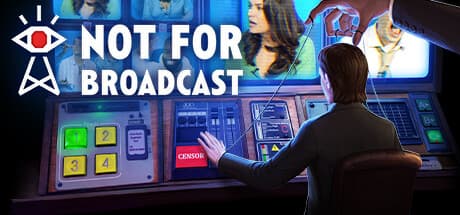
Not For Broadcast keeps the desk-pressure fantasy: you are not in the field, but your split-second choices still shape the mess.
Players who want live workplace pressure, public fallout, and a screen full of bad choices.
Why it fits
Not For Broadcast turns editing, censoring, camera cuts, and timing into moral pressure. It scratches the Dispatch itch where your station is the action scene.
Skip if
You need superhero characters or traditional branching adventure pacing.
Not For Broadcast is the best non-superhero tangent. It is funny until it is not, and the interface matters. That makes it a better Dispatch follow-up than many games with more obvious genre overlap.
Players who want staffing decisions, limited resources, emergencies, corruption, and moral compromise.
Why it fits
This Is the Police gives you the dispatcher-like pressure of deciding who goes where, what gets ignored, and which compromise you can live with.
Skip if
You want cinematic episodes, voice-heavy character drama, or superhero fantasy.
This Is the Police is the colder management pick. It is useful if the Dispatch console was the hook and you want that pressure made drier, harsher, and more systemic.
The wrong default: superhero action
The bad default is buying a superhero action game because Dispatch has superheroes in it. That can work if all you want is spectacle, but it misses why Dispatch is sticky: people are messy, the job is messy, and the next episode remembers enough to make you second-guess yourself.
If you want capes plus choices, start with Batman. If you want the cast pressure, start with Midnight Suns. If you want desk triage, skip the capes and buy Not For Broadcast or This Is the Police. The costume is the least reliable signal.
Use these when Dispatch's job interface and ugly operational calls matter more than capes.
Pick the missing Dispatch pressure first. The superhero label is too broad to choose for you.
If you are still undecided, start with Batman - The Telltale Series. It is the cleanest next game after Dispatch for players who want superhero episodes and choices, while Marvel's Midnight Suns is the better buy if managing the team was the real hook.
Play queue
Play these next
Hover for trailer media, then open the game page when one looks right.