Games like Ghost of Tsushima for samurai combat and quiet open worlds
The best games like Ghost of Tsushima when you want parry-heavy duels, samurai drama, stance combat, or a quieter cinematic world to wander.
Starting point
Ghost of Tsushima DIRECTOR'S CUT
Start from Ghost of Tsushima DIRECTOR'S CUT, then pick by the part of the game you want back.
If you already know you want the Ghost of Tsushima DIRECTOR'S CUT feeling, the problem is that "games like Ghost of Tsushima" splits into several purchases: another open-world Japan, stricter duels, stealth infiltration, samurai drama, or quiet cinematic mood.
The hard part is the quiet open world. Rise of the Ronin gets closest to the historical open-world structure, but its combat systems and mission flow are busier. Assassin's Creed Shadows keeps the large map and infiltration, but splits the fantasy between a shinobi and a samurai. Neither reproduces Ghost's stillness. Pick the missing feeling first.
Do not choose by samurai theme alone. Choose by whether you miss Ghost's duels, wandering, stealth, historical drama, or restrained mood.
Pick by the Ghost feeling you miss
Players searching for games like Ghost of Tsushima are usually asking four different questions. Some want the blade-on-blade timing. Some want an open world that does not scream at them every ten seconds. Some want samurai fiction. Some want the mission loop: scout, sneak, duel, upgrade, ride away.
Use this split before buying. It will save you from the obvious but wrong default: picking the hardest sword game when what you really miss is a quiet map.
What you miss from Ghost of Tsushima
Play first
Why
Tradeoff
Historical open-world travel and flexible weapon combat
The cleanest pick if you want black-and-white composition and tragic samurai tone.
It is linear and much smaller.
If another open-world Japan is non-negotiable
Choose Rise of the Ronin first when you want to keep riding through historical Japan, taking side missions, changing weapons, and meeting factions. Choose Assassin's Creed Shadows when clearing spaces quietly matters more than keeping one samurai combat style. Both preserve more of Ghost's map-and-mission rhythm than Sekiro or Nioh 2, but neither is as calm or visually restrained.
Players who need another open-world historical action RPG with swords, travel, side missions, and combat styles.
Why it fits
Rise of the Ronin keeps the closest overall shape: a large historical Japan, flexible melee weapons, companions, factions, and missions spread across an open world.
Skip if
Ghost's quiet direction, simple gear decisions, and cinematic restraint mattered more than having another large map.
Rise of the Ronin is the closest structural match, but it asks you to tolerate more menus, loot, and mission clutter. That works for players who wanted more combat options; players who loved Ghost because it stayed readable may find it too busy.
Players who want feudal Japan, a large explorable world, stealth routes, and a choice between shinobi and samurai combat.
Why it fits
Assassin's Creed Shadows preserves the open-world infiltration loop and lets its two protagonists push stealth and direct combat in different directions.
Skip if
You want one focused hero, Ghost's stance-led sword flow, or an open world that stays out of the way.
Assassin's Creed Shadows earns its spot when camps, rooftops, and approach choices mattered more than Jin's single-hero arc. Historical Japan alone is not the reason to buy it.
If duels and parries are the point
Go here if your favorite Ghost moments were standoffs, perfect parries, boss duels, and the feeling that one clean counter could settle the fight. You give up the relaxed island ride, but you get sword combat that asks much more from your hands.
Players who want Ghost's duels to become sharper, meaner, and more exact.
Why it fits
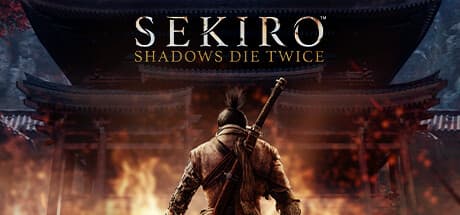
Sekiro turns sword fighting into a full game of posture, deflects, perilous attacks, boss patterns, and pressure. It is the first pick when you wanted Ghost's combat to stop letting you breathe.
Skip if
You need open-world wandering, gear comfort, stealth freedom, or a forgiving difficulty curve.
Sekiro is the best answer for combat, but it is a bad answer for comfort. Go there when the duels were your favorite part of Ghost. Do not go there just because both games have blades and Japanese scenery.
Players who want stance switching, loot, builds, and repeatable hard missions.
Why it fits
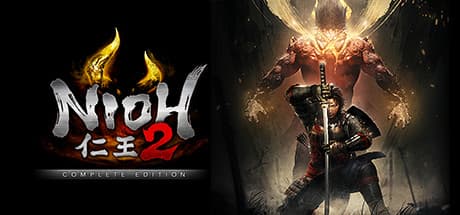
Nioh 2 keeps the melee intensity but moves the pleasure into stances, ki pulse timing, yokai abilities, weapon classes, armor stats, and build planning.
Skip if
You want a seamless island, cinematic restraint, or a simple samurai fantasy.
Nioh 2 is less elegant than Ghost and much busier. That is also why it works. If you finished Ghost wishing the stance system went deeper and the gear mattered more, Nioh 2 gives you a full combat workshop instead of another scenic checklist.
If you want samurai fiction without Sekiro pressure
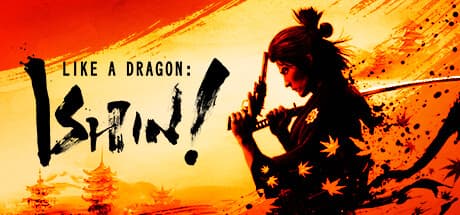
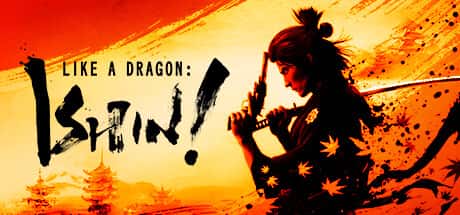
Ishin belongs in the mix when you want period drama, town life, side activities, and character stories more than perfect deflect timing. It is less about meditative riding and more about staged samurai fiction, towns, factions, and side-story life.
Players who want samurai drama, city routines, side stories, and brawler energy.
Why it fits
Ishin gives you swords, guns, factions, a historical setting, shops, minigames, melodrama, and the oddball side-story rhythm the Like a Dragon series is known for.
Skip if
You want Ghost's quiet landscape, restrained tone, or stealth-camp loop.
Ishin is the better pick when Ghost's appeal was samurai fiction rather than pure combat. It is louder and stranger, but it gives you people, districts, distractions, and drama instead of another lonely map.
If quiet mood matters more than open-world size
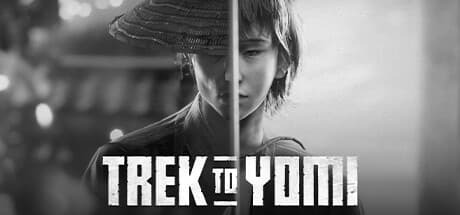
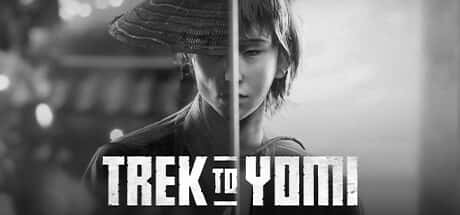
Trek to Yomi is for the mood memory: wind, framing, silence before a fight, and a story that feels like samurai cinema. You give up the big island, but keep the tone closer.
Players who want a short samurai film they can play through in a few evenings.
Why it fits
Trek to Yomi leans into black-and-white framing, side-scrolling sword fights, village tragedy, and a compact mythic journey.
Skip if
You need open-world exploration, RPG upgrades, stealth camps, or deep combat systems.
Trek to Yomi is not trying to be a bigger Ghost. That is the point. It belongs here because it understands the cinematic samurai mood better than many larger games that only share swords and armor.
The wrong default: sending every Ghost player to Sekiro
Sekiro is the obvious recommendation, and sometimes the right one. It is wrong when "like Ghost" means a readable island, gentle travel, and small stories between fights. Buy it for duel pressure, not for Ghost's open-world calm.
Where to go next
Use the Ghost of Tsushima DIRECTOR'S CUT app page for the broader recommendation list. This guide stays focused on the buying split: samurai combat, historical action, and open-world tradeoffs.
All six recommendations link to PC-focused GamesLike app pages. Check current Steam pricing and platform needs before buying. The biggest buyer risks are structure and difficulty: Rise of the Ronin and Assassin's Creed Shadows are busier than Ghost, Sekiro and Nioh 2 are much less forgiving, and Trek to Yomi is much smaller and more linear.
Pick this for black-and-white composition and tragic samurai tone, not open-world depth.
Pick the missing Ghost feeling, not the closest-looking cover art.
Still undecided? Start with Rise of the Ronin if the open world is mandatory. Choose Sekiro for pressure, Ishin for people and period drama, or Trek to Yomi for a shorter game that preserves the mood.
Play queue
Play these next
Hover for trailer media, then open the game page when one looks right.