Games like The Last of Us for story survival and companion tension
Choose games like The Last of Us by what you miss most: companion protection, cinematic road drama, horror-action pressure, post-collapse travel, or intimate psychological tension.
Starting point
The Last of Us™ Part I
Start from The Last of Us™ Part I, then pick by the part of the game you want back.
If you are searching for games like The Last of Us, do not start with "zombie game." That search sends you toward giant survival sandboxes, co-op horde shooters, and horror lists that miss the actual hook: protecting someone while every room, shortcut, and mistake feels expensive.
The safest first pick is A Plague Tale: Requiem. It understands the companion-protection part best. If you want a stronger combat spine, move to God of War. If you want the tension to come from ammo, enemies, and horror staging, pick Resident Evil 4.
Use this guide when the next click after The Last of Us Part I has to keep the story-survival pressure and companion tension intact. That is narrower than just finding another post-apocalyptic game.
Pick by the pressure you want back. The Last of Us fans split hardest between protecting a companion, surviving scarce combat, and moving through a collapsed world.
Start with companion pressure, not just zombies
The Last of Us works because the world keeps narrowing around two people. You scavenge because the next fight might punish waste. You sneak because noise has a cost. You care about the companion because the story gives that relationship weight before it asks you to fight for it.
That is why the best follow-up depends on the exact part you miss. A Plague Tale is closest to the protect-someone-through-hell feeling. God of War keeps the travel banter and authored combat, but trades infection horror for mythic scale. Resident Evil 4 keeps resource pressure and escort tension, but it is more arcade horror than prestige road drama.
Choose this first if the Ellie part mattered more than the infected part. A Plague Tale: Requiem is built around moving through danger with someone vulnerable, managing fear, and making ugly choices because the alternative is worse. It is the strongest match for players who want story survival games with a companion at the center.
Start here when the hook is moving through danger with someone who changes every decision.
Amicia and Hugo give the game the same protective shape: stealth through hostile spaces, tense improvisation, and a relationship that makes failure feel personal.
Skip if
You want frequent gunplay, upgrade-driven encounters, or the combat toolkit to be the main event.
A Plague Tale is not a clone. It leans harder into stealth routes, environmental danger, and helplessness. That is a good trade if your favorite Last of Us moments were the quiet escapes, the panic after being spotted, and the feeling that survival is becoming morally expensive.
Pick God of War when you want prestige companion action
God of War is the better move if you want the relationship on the road but do not need infection horror. It gives you a child companion, constant travel dialogue, and expensive-feeling encounters. The trade is clear: the survival texture mostly leaves, and the action becomes more confident.
Cinematic companion action with parent-child friction.
Why it fits
Kratos and Atreus carry a long journey through hostile spaces, and the combat has the polish to make every stop feel authored rather than disposable.
Skip if
You need grounded scarcity, human enemies, and low-ammo stealth.
This is the choice for players who liked the walk-and-talk structure as much as the dread. Atreus is not Ellie, and the mythology changes the temperature, but the game understands how a companion can turn traversal and fights into character work.
Pick Resident Evil 4 when you want horror-action pressure
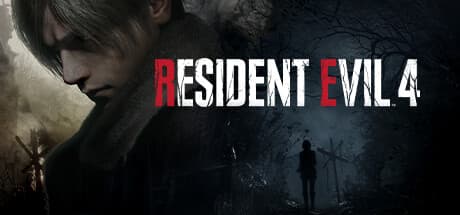
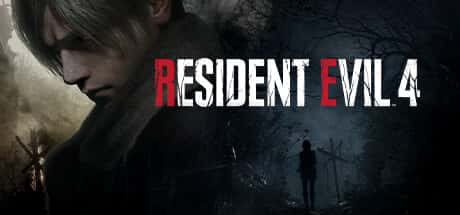
Resident Evil 4 is the right answer when you want stress in your hands. It keeps escort pressure, tight resources, enemy crowd control, and horror staging. It drops the sad road-trip intimacy and replaces it with momentum, set pieces, and sharper combat rhythm.
Ammo, spacing, reload timing, and protecting Ashley all matter. It is less emotionally grounded than The Last of Us, but stronger if you want the room-by-room pressure to come from combat decisions.
Skip if
You want quiet human drama more than combat craft.
Pick this if the best parts of The Last of Us were bricks, bottles, bad angles, and choosing when to spend a bullet. It is not trying to be as tender. It is trying to make every crowd, door, and reload feel dangerous.
Pick Days Gone for a wider post-collapse road
Days Gone is useful if you want the ruined-world fantasy to open up. You ride, scavenge, manage threats, and deal with hordes instead of moving through one tight authored corridor. That makes it less precise, but it scratches the road-survival itch better than many linear story games.
The bike, camps, infected crowds, and wilderness routes give you a larger version of the broken-world travel fantasy.
Skip if
You mainly want a tight companion story with little open-world downtime.
The buyer caveat is pacing. Days Gone asks you to live in its world for longer stretches, so the emotional pressure spreads out. Choose it when you want more miles, more systems, and more survival logistics, not when you want another compact Joel-and-Ellie arc.
Pick Hellblade for intimate psychological pressure
Hellblade is the narrowest recommendation here, but it belongs for players who remember The Last of Us as a heavy, close, oppressive story more than a survival loop. It is not about protecting a companion or scraping together ammo. It is about staying inside one character's fear and grief until the journey becomes hard to shake.
It keeps the authored pressure, performance focus, and emotional weight, but strips away scavenging and partner banter.
Skip if
You need stealth, survival systems, or a companion relationship at the center.
Choose Hellblade when you want less breadth and more intensity. It is a better emotional-adjacent pick than a mechanical one.
The wrong default is the biggest zombie game
The trap with games like The Last of Us is treating the search as a zombie list. A larger world, more crafting, or more enemies does not automatically preserve what made the game work. Sometimes it just turns a tense relationship story into chores.
If you want the companion-protection lane, start with A Plague Tale: Requiem. If you want the polished road relationship, choose God of War. If you want the pressure to come from combat and resources, choose Resident Evil 4. Pick Days Gone only when the bigger ruined road is the point.
Use this final shortcut
If you still cannot choose, ignore genre labels and pick the kind of pressure you want tonight. The right follow-up is not the game with the most infected enemies. It is the one that keeps your decisions attached to a person, a cost, or a fragile state of mind.
Pick A Plague Tale: Requiem if companion protection and stealth tension are the reason you want another game.
Pick God of War if you want a polished parent-child journey with heavier action.
Pick Resident Evil 4 if you want survival horror action, resources, and escort pressure.
Pick Days Gone if you want a broader post-collapse road with hordes and scavenging.
Pick the pressure first. The screenshots and genre tags will make more sense after that.
For the broad GamesLike similarity page, start with The Last of Us Part I. For this companion-tension lane, start with A Plague Tale and only move outward if you want more action, horror, open-world travel, or psychological pressure.
Play queue
Play these next
Hover for trailer media, then open the game page when one looks right.