Pick by the part of XCOM you want next: campaign panic, squad identity, tactical puzzles, stealth setup, or lower-stress turn-based fights.
The broad Games Like XCOM 2 page should own direct similarity for XCOM 2 itself. This guide is narrower: what should you play after XCOM if the thing you miss is the pressure of moving a small squad through bad odds?
That matters because "games like XCOM" can mean several different things. Some players want another alien-war campaign with permanent consequences. Some want buildcraft and squad identity. Some only want clean tactical fights without a strategic layer punishing every mistake for the next ten hours.
Start With The Kind Of Pressure You Want
Do not start with the longest tactics list. Start with the part of XCOM that made you lean forward: the campaign panic, the hit-chance risk, the fragile soldiers, the cover puzzle, or the joy of making one clean turn solve an ugly map.
Phoenix Point is the closest first stop if you want alien-war campaign pressure. TROUBLESHOOTER: Abandoned Children is better if the draw was growing a squad into specialized builds. Into the Breach is the safer pick if you want tactics without a long campaign threatening to bury you.
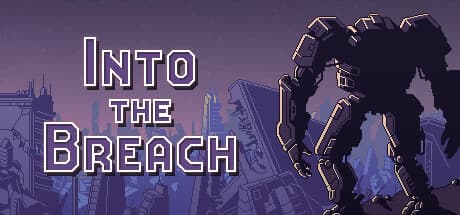
Every turn is readable, brutal, and short enough to restart without losing a week.
If You Want The Closest XCOM Campaign Pressure
This is the lane for players who want a strategic layer, squad losses, resource stress, and tactical fights that carry consequences after the mission ends. The tradeoff is friction: these games are rarely as clean as one perfect XCOM turn.
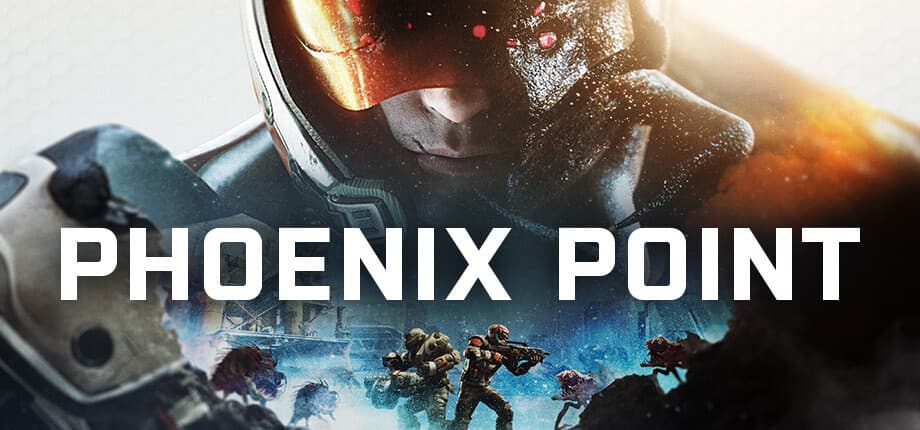
Phoenix Point is the closest pick when the XCOM itch is alien-war escalation, global pressure, and soldiers surviving bad missions.
XCOM players who want another alien-war campaign with tactical consequences.
Why it fits
It keeps the broad shape of global management, squad deployment, body-part targeting, enemy adaptation, and missions that can go wrong in ways you remember afterward. Pick it when XCOM's resistance-war pressure mattered more than perfect balance.
Skip if
You want XCOM 2's cleaner pacing and stronger readability. Phoenix Point is messier and more demanding.
If you only played XCOM 2, Enemy Unknown is still worth treating as a recommendation, not homework. It is tighter, simpler, and more direct about panic, satellites, soldiers, and bad odds.
Skip if
You need newer systems, bigger build variety, or the mod-heavy XCOM 2 ecosystem.
If You Want Deeper Squad Builds
Choose this route when the soldiers are the point. You want loadouts, traits, class growth, synergies, and a team that feels authored by your decisions rather than rented for one mission.
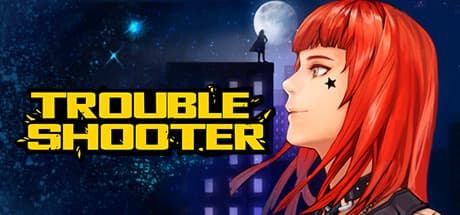
TROUBLESHOOTER is the dense squad-build answer: more RPG structure, more character growth, and fewer global panic meters.
Players who want squad builds, long campaigns, and tactical RPG depth.
Why it fits
The appeal is not another resistance war. It is the amount of character growth, ability tuning, team composition, and long-form tactical progression. If your favorite XCOM moments were building soldiers into specialists, start here.
Skip if
You want short missions and a low-friction campaign. This is dense and asks for patience.
It trades XCOM's percentages for card-driven ability planning and relationship-heavy squad growth. That makes it useful for players who like tactical team construction but are tired of missing point-blank shots.
Skip if
You want cover tactics, permanent soldiers, and a harsh strategic layer.
If You Want Cleaner Cover Combat
This lane is for players who like the tactical language of cover, flanks, cooldowns, and positioning but do not need a strategic layer to punish every decision. The fights are still tactical; they just ask you to solve the map in front of you first.
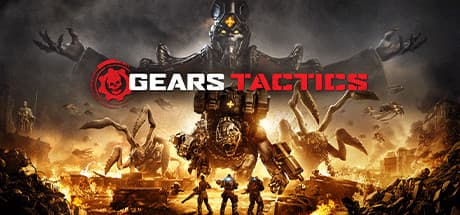
Gears Tactics is faster and more aggressive than XCOM, with cover combat built around momentum instead of cautious overwatch crawling.
XCOM players who want punchier tactical missions and less strategic drag.
Why it fits
It understands cover, flanking, overwatch, cooldowns, and squad roles, but it rewards aggression more than slow defensive crawling. Pick it when you want XCOM's tactical grammar with a more action-forward tempo.
Skip if
You want base management, research pressure, and a campaign layer as important as the fights.
A tighter tactical campaign with a strong premise.
Why it fits
It works when you want discrete tactical encounters, positioning, and squad abilities inside a more authored structure. It is less of a forever tactics platform and more of a focused campaign.
Skip if
You want the strategic sandbox and replay depth to be the main event.
If You Want Stealth Before The Fight
Some XCOM players love the moment before contact: scouting, choosing the first target, setting angles, and deciding how much risk the opening turn should carry. These games make setup part of the tactical loop instead of only the first move.
Players who want stealth setup before turn-based fights.
Why it fits
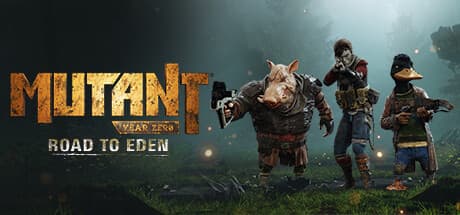
The game lets you thin groups, position carefully, and turn exploration into an ambush plan. It is a strong fit if XCOM's concealment phase was your favorite part and you wanted more of that before the fight breaks open.
Skip if
You want deep base management or long squad progression.
Espionage planning, infiltration, and tactical spy work.
Why it fits
It is slower and stranger than the obvious XCOM alternatives, but the agency-level investigation and stealth planning make it interesting for players who want information and setup to matter before shots start.
Skip if
You mainly want clean tactical combat. The spy layer is part of the cost.
If You Want Campaign Scars More Than Aliens
Go here if XCOM worked because a wounded soldier, a bad mission, or a dead veteran changed the whole run. These picks care less about aliens and more about carrying consequences through a campaign.
Players who want permanent roster pressure and ugly campaign stories.
Why it fits
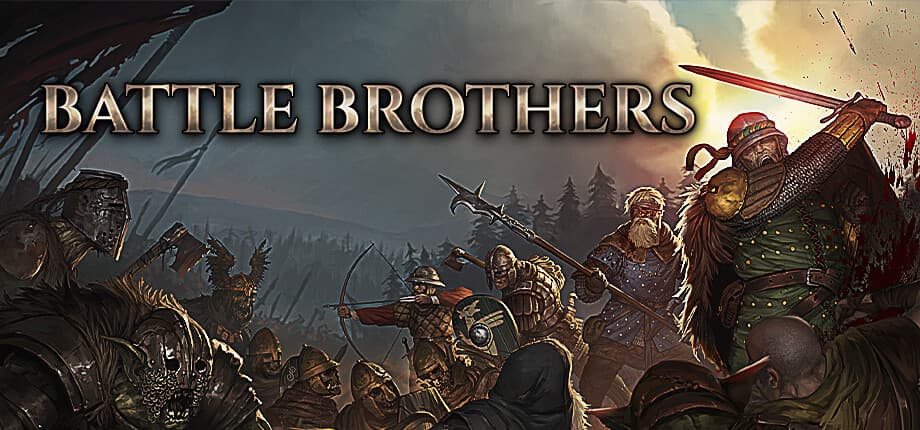
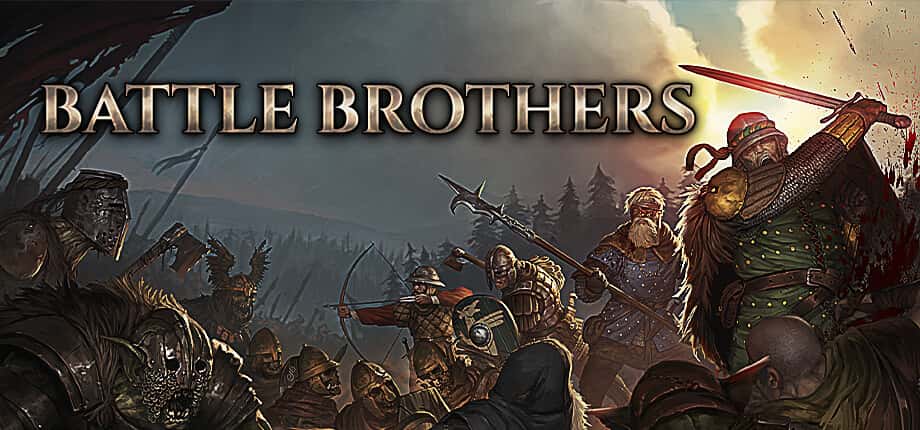
It replaces XCOM's resistance war with a mercenary company, but the emotional math is familiar: every recruit is an investment, every injury matters, and one bad decision can turn a promising run into damage control.
Skip if
You need modern presentation or clear tutorializing. Battle Brothers is blunt and dry.
Mercenary tactics with personality and campaign control.
Why it fits
It is a good pick when you want squad positioning, equipment choices, and campaign movement, but with hired personalities instead of anonymous soldiers.
Skip if
You want aliens, research, and base-building pressure.
It is not an XCOM clone, but it belongs for players who want squad combat tied to broader choices, gear, builds, and consequences. Pick it if narrative decisions sound as important as cover.
Skip if
You want missions to be the whole game rather than part of an RPG.
If You Want Pure Tactical Clarity
This is the escape hatch for players who love the tactical problem but do not want a long campaign layer deciding whether the next mission is recoverable. You give up squad attachment and get sharper turns.
Clean tactical puzzles with almost no wasted motion.
Why it fits
Every enemy intent is visible, every move has a clear consequence, and the map is small enough that you can reason through the whole turn. It is the best pick if you want tactics without XCOM's hidden dice and campaign sprawl.
Skip if
You want soldiers, gear, base pressure, and big mission maps.
A modern tactical RPG structure with approachable fights.
Why it fits
It gives you a more directed tactical RPG path, with exploration and fights working together. Pick it when you want tactical combat but less procedural campaign punishment.
Skip if
You want the strategic layer to generate the drama.
The Wrong Default Is Any Turn-Based Game With Cover
Cover is not enough. A lot of games look like XCOM in screenshots but miss the thing that keeps XCOM tense: a mission is not isolated from the campaign, and one bad soldier trade can matter later.
If you want that long shadow, start with Phoenix Point, Battle Brothers, or Jagged Alliance 3. If you mostly want tactical decisions without stress debt, start with Gears Tactics, Showgunners, or Into the Breach. If you want the squad to become a buildcraft project, Troubleshooter is the better first click.
Canonical GamesLike Pages
Use these when you want the broader recommendation graph instead of this editorial split:
Play Phoenix Point if you want the closest alien-war
campaign pressure.
Play Troubleshooter if squad builds and long tactical RPG
progression are the real appeal.
Play Gears Tactics if you want faster cover combat with
fewer campaign chores.
Play Mutant Year Zero if stealth setup before combat is the
part you missed.
Play Battle Brothers if permanent roster pain matters more
than aliens.
Play Into the Breach if you want tactical clarity without a
huge strategic layer.
Pick by the kind of consequence you actually want. XCOM fans split hardest on campaign pressure, not on whether the combat is turn-based.
If you are still undecided, start with Phoenix Point only if you want the strategic layer to push back. If that sounds exhausting, start with Into the Breach for pure tactical clarity or Troubleshooter for the slow joy of building a squad into something dangerous.
Play queue
Play these next
Hover for trailer media, then open the game page when one looks right.