Story choice games like Detroit Become Human and Life is Strange
Find story choice games like Detroit Become Human and Life is Strange by the kind of agency you want: branching plot, dialogue pressure, mystery, relationships, or cinematic polish.
Starting point
Detroit: Become Human
Start from Detroit: Become Human, then pick by the part of the game you want back.
Pick by the kind of agency you want. Detroit players usually want visible branches. Life is Strange players usually want character fallout.
If you want games like Life is Strange or Detroit: Become Human, do not start with "best story games." That list gets too broad fast. You need to decide what kind of choice you are chasing.
Life is Strange is about relationships, memory, place, and the ache of a decision after the scene ends. is about cinematic branches, split-second calls, and watching a flowchart prove that another route existed.
This shortlist is for players who want choices, consequences, characters, and emotional branching more than combat.
Start with the agency type
Do not start with the broadest "best story games" list. For this taste, agency is the product: who can you hurt, what can branch, whether dialogue feels dangerous, and whether the characters still matter after the choice screen disappears.
If Detroit is the reference point, start with visible branch structure. If Life is Strange is the reference point, start with relationships and place. If both matter, The Walking Dead is the safest first stop because it makes emotional consequence readable without needing a huge flowchart.
It makes choice paths easy to understand without turning the story into a puzzle. The appeal is family tension, hostage-drama pressure, and replaying scenes to see what breaks.
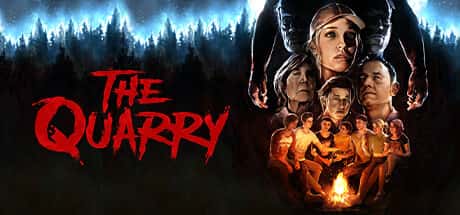
Supermassive's more direct horror branch structure.
Why it fits
If The Quarry sounds right but you want a tighter cabin-night setup, this is the cleaner pitch: choices, relationships, deaths, and a cast you manage under pressure.
Skip if
You want non-horror emotional drama.
Best fits for dialogue pressure
These are the games to play when the important verb is talking. You are reading faces, choosing who to trust, and living with the line you picked.
It is still the easiest first recommendation for this taste. The choices are rarely clean, the cast matters, and the best scenes make you answer before you feel ready.
Skip if
You need modern production values more than sharp character pressure.
It trades teen emotion for detective pressure. You still get hard calls, but the mood is sharper: threats, restraint, suspicion, and choosing what kind of person your version of Bigby is.
Skip if
You want the warmth and vulnerability of Life is Strange.
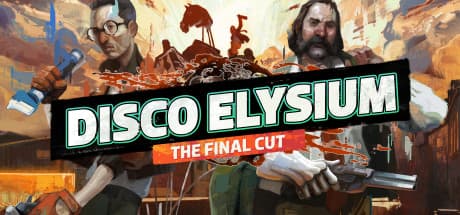
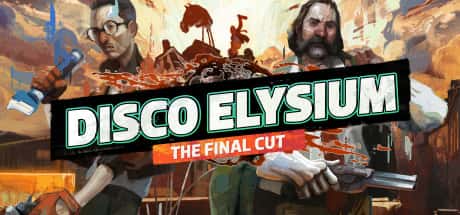
It is not a cinematic adventure, but it is one of the strongest choices-and-consequences games if your favorite part is shaping a person through dialogue, failure, memory, and self-deception.
Skip if
You want light reading or low-friction controller play.
Best fits for mystery and place
Life is Strange works partly because Arcadia Bay feels like a place with secrets. These picks keep that feeling without copying the school-drama setup.
These picks lean into place, unease, and conversations that slowly change what you think happened.
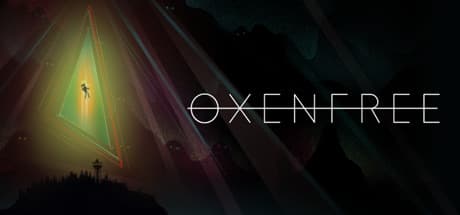
It understands the teenage-nightmare side of Life is Strange: friends talking over each other, weird signals, old wounds, and choices that happen mid-conversation instead of in a menu.
The choice system is lighter, but the mood fit is real: isolation, voice intimacy, suspicion, and a place that keeps making you second-guess what you know.
A road-trip story where small decisions steer the route.
Why it fits
It is more political and procedural than Life is Strange, but good if you want characters, routes, risk, and a sense that each run belongs to a different teenager.
Skip if
You want one fixed cast with deep relationship arcs.
Best fits for relationship-led drama
These are for players who remember Chloe, Max, Sean, Daniel, or Kara more than any puzzle or action scene.
It has less explicit branching, but it understands the emotional lane: coming home, disappointing people, late-night conversations, and feeling stuck in a place you know too well.
Skip if
You need cinematic presentation or obvious consequence screens.
It is uneven, but worth considering if you want performance-led scenes, a life-spanning story, and Quantic Dream's taste for emotional spectacle.
Skip if
You want the cleanest choice structure in this list.
The wrong default is pure cinematic spectacle
Do not chase the most expensive-looking branching game by default. Detroit fans may want production value and visible routes, but Life is Strange fans usually want quieter fallout: the line you picked, the person who heard it, and the way a place feels different afterward.
That is why Heavy Rain and The Quarry are not automatic first picks for everyone. Choose them when you want cinematic branching. Choose The Walking Dead, Tell Me Why, or Oxenfree when the emotional aftermath matters more than the branch map.
Use this final shortcut
Pick the kind of agency you want to feel in the next hour. The best story choice games are not always the ones with the most endings; they are the ones where choosing changes how you read the next scene.
Pick The Walking Dead if you want the safest first stop after Life is Strange: emotional pressure, flawed people, and hard calls.
Pick Heavy Rain if Detroit's cinematic branching is the exact thing you want more of.
Pick The Wolf Among Us if mystery, suspicion, and dialogue pressure sound better than teen drama.
Pick Tell Me Why if you want the closest relationship-led Dontnod lane.
Pick The Quarry if you want choices to decide who survives a glossy horror story.
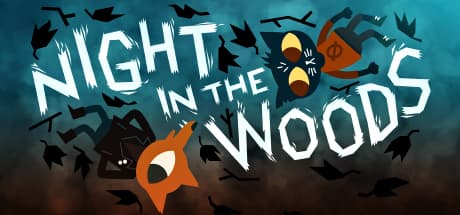
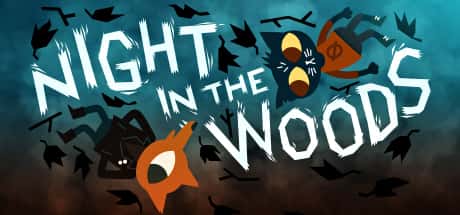
Pick Oxenfree if you want supernatural mystery and conversations that move while you are still deciding.
Pick Disco Elysium if you care more about writing agency than cinematic direction.
Do not pick the highest-drama game by default. Pick the one whose choices match what you actually want to feel while playing.
For broader similarity lists, use the canonical GamesLike pages for Life is Strange and Detroit: Become Human. This guide is the shortcut when you already know you want story choices, but still need to choose between emotional fallout, mystery, and visible branching.
Play queue
Play these next
Hover for trailer media, then open the game page when one looks right.