A beautiful skyline tells you very little about the job waiting underneath it. Some city-building games for PC ask you to fix traffic. Others make the next drought your problem, or ask you to finish one settlement and start another. You might simply want to arrange colorful houses without anyone needing anything from you.
Start with the original Cities: Skylines if you want to run a functioning city. Choose Timberborn if making water reach the right place sounds more interesting than managing a road network. Against the Storm is the pick for repeated settlement challenges; Townscaper is the building toy for an evening without objectives.
These four picks cover different reasons to build, not four positions in a universal ranking. The useful question is what you want to be doing after the town already looks good.
City-building games for PC: choose the work, not the skyline
If you want growth to create problems worth solving, start with Cities: Skylines. If the appeal is making a place look right, start at the other end with Townscaper. Timberborn and Against the Storm sit between those visual promises, but neither is a halfway step toward relaxation: each gives the settlement a different source of pressure.
Traffic and services
Water engineering
Fresh settlement challenges
Building without objectives
Pick the recurring problem you want to solve, or decide that you do not want one.
Picture the interruption you would welcome while building. A traffic problem could become your next project; a failing water supply could feel like an unwelcome obligation. That distinction matters more than which screenshot has the most buildings.
| What you want to think about | Start with | What you give up |
|---|---|---|
| How a modern city keeps moving and supplies its residents | Cities: Skylines | Construction without service responsibilities |
| How terrain and stored water keep a settlement alive | Timberborn | The familiar modern-city setting |
| How to make the next settlement succeed under different constraints | Against the Storm | One permanent city as the main project |
| Which shape, color, or gap makes a town look better | Townscaper | An economy or victory condition to master |
If none of those decisions sounds right, browse the wider city-builder collection. If the setting matters more than the workload, the medieval building and strategy guide follows that choice further.
Cities: Skylines when traffic and services are the point
Choose Cities: Skylines when you want your layout to have consequences beyond its appearance. It is the first pick here for the aspiring mayor: building more city means taking responsibility for how that city works. The compromise is that you cannot treat every new neighborhood as a purely decorative addition.
Cities: Skylines
Recommendation
- Best for
- Players who want roads, public services, and a growing urban economy to occupy the same plan.
- Why it fits
- Local traffic simulation sits alongside water, electricity, education, healthcare, and district policies.
- Skip if
- You want to place attractive buildings without following the demands they create.
This means the original Cities: Skylines, released in 2015, not Cities: Skylines II. Its official Steam page describes the traffic, service, and district systems behind that recommendation.
The deciding test is whether you would enjoy spending your next session on an existing neighborhood instead of expanding the map. If a place that functions better feels like progress, this is a sensible first click. If you mainly want another row of houses in a new color, Townscaper gets closer to that wish without making you take on the mayor's job.
Buy deliberately: the base game, expansion bundles, and optional expansion subscription are separate offers on Steam. You do not need to buy the whole collection merely because this guide recommends the game. Start with the base-game offer when those core systems are what brought you here; choose additional content only for a feature you actually want.
Timberborn when the river is the puzzle
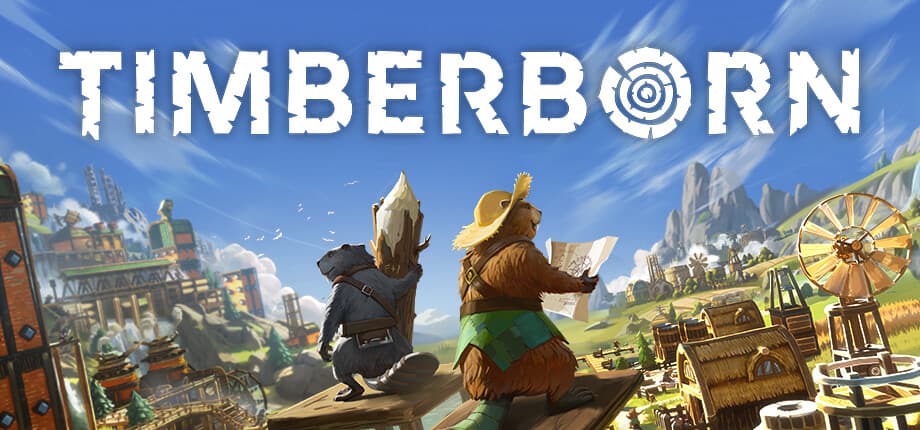
Start with Timberborn if you look at a river and immediately wonder where a dam should go. Its beaver settlement makes engineering the land the reason to keep building. You trade the modern city's road-and-service focus for environmental survival, so the friendly animals are a poor reason to assume this is the relaxing option.
Timberborn
Recommendation
- Best for
- Players who want water storage, irrigation, and vertical construction to shape the settlement.
- Why it fits
- Recurring droughts and toxic-water seasons give dams, canals, and stacked buildings a practical purpose.
- Skip if
- A seasonal threat would spoil the pleasure of arranging a pretty town.
The developer's Steam description ties water control to keeping fields and forests alive, with terrain reshaping and construction above ground level. That is the important difference from Cities: Skylines: you are choosing a landscape problem, not simply a smaller city with different residents.
The small river settlement below makes that appeal easy to read. Its greener strip, water wheel, fields, and storage sit together; the second image shows a much denser construction project. Choose it because you want to work toward such a system, not because you expect the finished scene to take care of itself.

If the production network interests you more than the settlement, follow the logistics and automation guide. Here, Timberborn earns its place through the river and the town around it.
Against the Storm when starting over sounds good
Choose Against the Storm if the early decisions of a city builder interest you more than maintaining one enormous save. You build successive settlements and carry progression into later expeditions. The cost of that fresh-start structure is straightforward: this is a poor default when your main ambition is one permanent city you will keep polishing.
Against the Storm
Recommendation
- Best for
- Players who want each settlement to pose a new set of production and population decisions.
- Why it fits
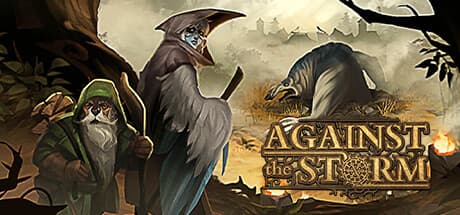
- Different species bring different needs, while hostile conditions and the Queen's demands keep progress under pressure.
- Skip if
- Leaving a settlement behind would feel like losing the main reason you built it.
The official Steam description makes the distinction explicit: this is a roguelite city builder, with resources and upgrades carried forward between expeditions. Permanent progression is not the same promise as a permanent town. Buy for the chance to apply what you learned to the next start.
That makes it a better first choice than Timberborn when a fresh set of constraints sounds more appealing than refining one water system. It is a worse choice if the settlement itself is what you want to preserve. Neither preference means you want less strategy; you want the strategy to accumulate in a different place.

If you wanted ongoing stories about the inhabitants instead, use the colony-story and survival guide. A fantasy population alone does not make these the same purchase.
Townscaper when you only want to make a place
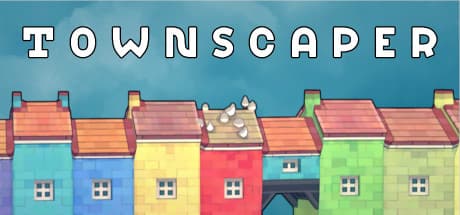
For relaxing city-building games without a management goal, start with Townscaper. You choose colors and place blocks; the result is the reward. The sacrifice is substantial if you expect a conventional game: there is no resource economy or victory loop here to make your town a successful one.
Townscaper
Recommendation
- Best for
- Players who want an attractive town to emerge from small construction choices.
- Why it fits
- Its procedural building system turns colored blocks into houses, arches, stairs, bridges, and gardens.
- Skip if
- You need a budget, production target, or objective before building feels meaningful.
The creator describes Townscaper as a toy, rather than a game with goals. Take that description seriously. It is not Cities: Skylines with the difficult parts hidden, and it is not an introductory management course you will eventually outgrow into a fuller simulation.
That lack of a destination can be the purchase's whole value. You can decide the next useful change is an arch or another roof color, without having to justify it as growth. But if you would look at the finished town and ask what you are supposed to accomplish next, return to one of the other three picks.

Pick this for the act of arranging, not for the promise of systems waiting behind the pretty facade.
The wrong default is the deepest simulation
Choose Cities: Skylines first only when responsibility is part of the attraction. A longer feature list is a poor reason to buy it if you wanted Townscaper's lack of obligations. Likewise, do not choose Against the Storm just because its settlement art appeals to you when repeated starts are the thing you dislike.
Use one concrete test before opening the store: name what you would gladly come back to fix. A road network points toward Cities: Skylines. Water distribution points toward Timberborn. A better attempt at a settlement points toward Against the Storm. If the answer is simply the shape of a roof, Townscaper is a complete answer, not a consolation prize.
These recommendations concern the Windows PC versions and their described play styles, not low-end-PC performance, Steam Deck compatibility, or a hands-on benchmark. Store requirements still matter when choosing a version for your machine.
Last checked: August 26, 2026. This is an independent editorial guide; GamesLike is not affiliated with, sponsored by, or endorsed by the named games' developers or publishers. The linked official listings are the source for features and current purchase options.
Choose your next city
The best city-building game for your PC evening is the one whose work you actually want. Start with Cities: Skylines when you want the broad mayor's job. Depart from it deliberately for water engineering, repeated settlements, or construction without objectives, rather than treating those options as weaker versions of the same game.
Start with the original game for traffic and public-service decisions.
Choose the water-and-settlement problem, including its environmental pressure.
Choose repeated starts with progression between expeditions.
Choose a building toy rather than an economy to balance.
Choose the job first; then open the game page for its details and similar-game options.
Still undecided? Open Cities: Skylines if fixing a city sounds satisfying. If even that sentence feels like extra work, open Townscaper first.
Play queue
Play these next
See game details, similar picks, and store options.