
The pleasure of a dungeon management game is watching a space you dug out become dangerous to intruders. Rooms need a purpose, minions need somewhere to work, and the route to your heart should make a hero regret entering. Start with War for the Overworld if that is the evening you have in mind.
The other two choices change where your attention goes. Dungeons 4 asks you to support an army underground and send it into the Overworld; its campaign and skirmish maps also support two players managing one dungeon. KeeperRL makes the fortress part of a roguelike campaign, with equipment, direct minion control and a keeper whose death ends the game.
Choose by the responsibility you want: orchestrating a lair, dividing attention between home and an offensive, or keeping a vulnerable ruler alive. A fantasy setting alone will not tell you which of these dungeon builders fits.
Choose dungeon management games by what interrupts your building
Start with War for the Overworld if you want to think about the lair as a weapon. Move to Dungeons 4 when building should fund an offensive, or KeeperRL when protecting a particular ruler should govern your decisions. Each adds a different reason to stop digging.
| Your satisfying problem | First choice | The commitment |
|---|---|---|
| Giving invaders an expensive route through rooms and defences | War for the Overworld | Strategy battles alongside construction |
| Sending troops out while keeping their home secure | Dungeons 4 | Attention split between dungeon and Overworld |
| Equipping raiders without losing the keeper | KeeperRL | A dead keeper means starting over |
For dungeon builder games, the size of the build menu matters less than what makes a room worth building. War for the Overworld gives you tools to defeat intruders. Dungeons 4 gives your army a home to support its conquests. KeeperRL gives a band of creatures somewhere to sleep, train and craft before a dangerous expedition.
War for the Overworld: build a lair you can command
Choose War for the Overworld first if your search for games like Dungeon Keeper means excavation, minions, traps and spells. Its focus suits players who enjoy shaping an underground stronghold and deploying tools against the heroes entering it. Accept the strategy pressure: this recommendation is for a dungeon that fights back.
War for the Overworld
Recommendation
- Best for
- Players who want dungeon construction tied to minion command and layered defences.
- Why it fits
- Rooms, spells, potions, rituals, defences and constructs give you several ways to turn a dug-out lair into a fighting position.
- Skip if
- You chiefly want two-player shared-dungeon co-op or a keeper campaign built around permanent death.
The appeal is having several answers to the same intrusion. A defensive layout gives your creatures somewhere useful to fight; spells and other tools let you intervene. That makes this the first stop when arranging the dungeon and commanding its defence are equally important.
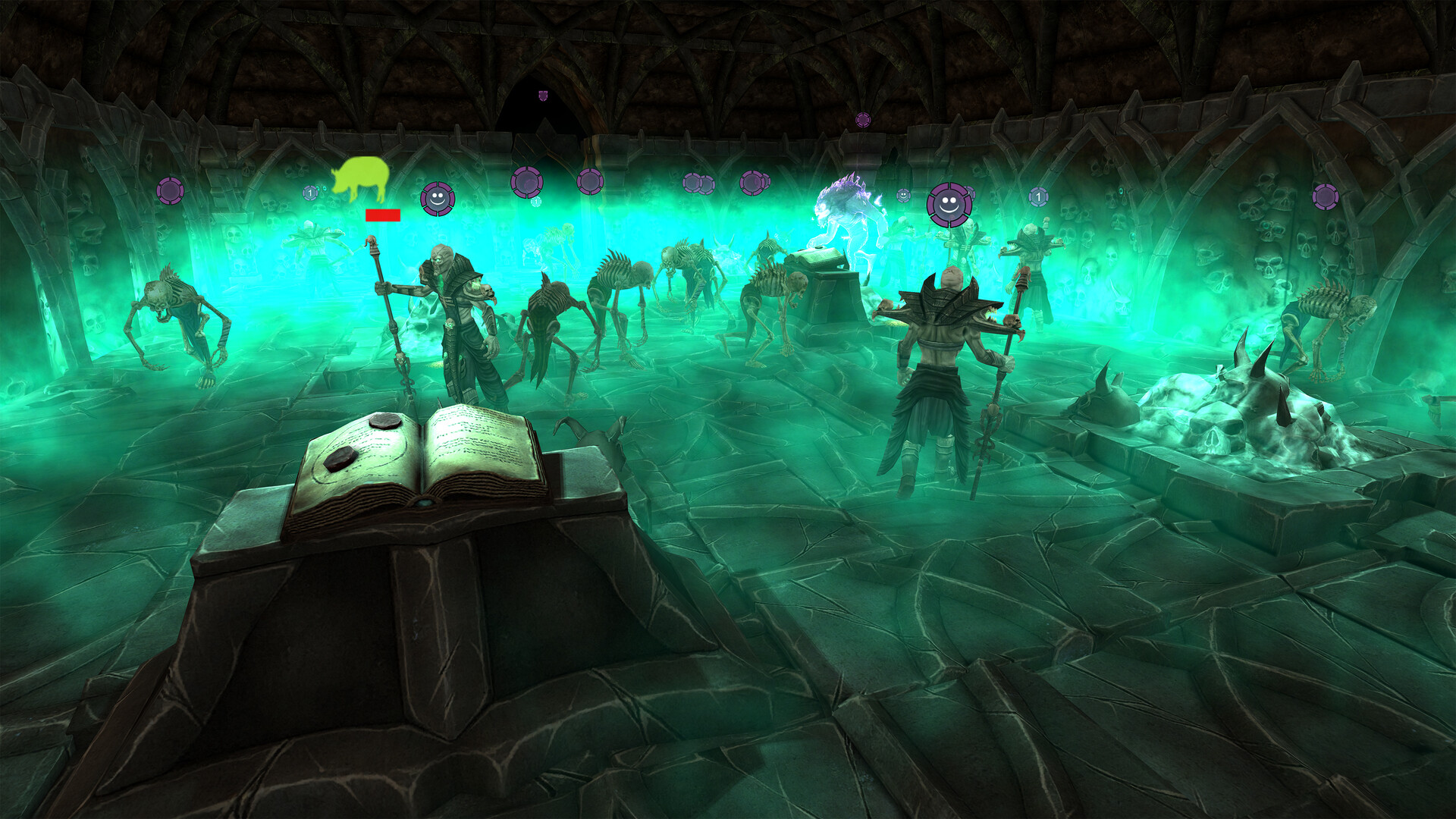
There is also a purchase distinction worth making before choosing a mode. The official Steam listing describes My Pet Dungeon as an expansion, with a free two-level demo included in the base game. If that mode is your reason to buy, separate the sample from the full expansion. The base offering also lists campaign, skirmish, scenarios, multiplayer and survival, plus a map editor with Steam Workshop sharing. Steam lists a third-party EULA.
Dungeons 4: give the army a home, then send it outside
Choose Dungeons 4 if staying underground would leave half your fantasy unfinished. Your creatures need a functioning dungeon, but you also take them into the Overworld to fight and spread Evilness. You give up the comfort of concentrating solely on the next room: home still needs traps and defenders while your offensive advances.
Dungeons 4
Recommendation
- Best for
- Players who want a dungeon economy supporting overworld conquest, especially with a co-op partner.
- Why it fits
- Building for creature needs and commanding an army outside form a paired loop, with two players able to manage the same dungeon.
- Skip if
- You want every important decision to stay inside the lair or prefer a quieter fortress project.
The useful comparison with War for the Overworld is where you want to look next. If finishing a room makes you eager to see what your troops can accomplish outdoors, Dungeons 4 has the clearer hook. Dwarves also compete underground for resources and space, so the ground beneath you remains contested.

Co-op is a concrete reason to move this ahead of the first pick: the official Steam listing says two players manage one dungeon and can play all campaign and skirmish maps together. That is shared responsibility for the same base. The store also offers a Digital Deluxe Edition and lists a third-party EULA; the gameplay comparison here concerns the base game.
KeeperRL: build around someone you cannot afford to lose
Choose KeeperRL when equipping a raiding party sounds as interesting as laying out its rooms. You build sleeping quarters, training rooms, crafting stations and defences, then explore a procedural world with creatures whose equipment and injuries matter. The compromise is severe: if your keeper dies, the game ends and you start again.
KeeperRL
Recommendation
- Best for
- Players who want a dungeon simulator with tactical raids, equipment choices and a vulnerable keeper.
- Why it fits
- Fortress preparation feeds expeditions, while direct minion control uses simultaneous turn-based combat: enemies move when you do.
- Skip if
- Losing the keeper would make the building feel wasted, or you want a conventional RTS pace throughout.
That changes what counts as a successful expansion. More rooms and better equipment support survival, but another raid also exposes your creatures to detailed combat consequences. Pick this when you want to care about who leaves the fortress and what they carry. Its multiple vertical levels add another dimension to the space you excavate.

Keep its online features separate from live co-op expectations. The official Steam listing describes downloading other players' dungeons through Workshop and placing them on your world map as enemies. It also supports sharing your dungeon after victory and downloading mods. That is a different attraction from two people building one base in Dungeons 4.
The wrong default: buying a dungeon crawler for the word “dungeon”
If you want dungeon building games, start by looking for excavation, room functions and creatures you command. A crawler can offer excellent loot and combat while leaving the dungeon entirely outside your control. Choose one of these three when designing the place is the reason you opened Steam.
A second trap is treating every builder as a relaxed sandbox. Dungeons 4 expects you to take an army outside. KeeperRL explicitly puts the whole campaign at risk when the keeper dies. War for the Overworld remains the first pick for commanding a lair, but buying it specifically for the full My Pet Dungeon expansion calls for a separate purchase check.
Pick the job you want waiting after the next room
Start with War for the Overworld if you are still imagining corridors, traps and minions more clearly than a raiding party. Choose the other branches when their extra responsibility is the attraction: an army outside the dungeon, or a keeper whose survival makes preparation matter.
Start with its rooms, traps and strategy battles; distinguish the My Pet Dungeon demo from the full expansion.
Choose shared-dungeon co-op and the campaign's building-to-conquest loop.
Choose equipment, tactical control and a campaign that ends if the keeper dies.
Choose the pressure you want your dungeon to answer.
Open War for the Overworld first if the choice still feels close. Its combination of excavation, minions and defensive tools goes straight to the pleasure of building the dungeon that heroes have to survive.
Play queue
Play these next
See game details, similar picks, and store options.


About the author

Alex Burlis
Founder of GamesLike
Alex Burlis founded GamesLike, a game discovery website that uses Steam game information and player feedback to find games with similar gameplay. Alex is editorially responsible for the GamesLike guides, which explain who each pick suits and the tradeoffs to expect.