If Fire Emblem works for you because every deployment is also time with people you have grown attached to, a generic strategy game will feel oddly empty. You are looking for a PC tactical RPG where the map, the roster, and the campaign pull in the same direction.
Start with Symphony of War: The Nephilim Saga. It is the cleanest first move for Fire Emblem players on Steam: you recruit a large cast, develop units, and decide how squads fit together before the battle starts. Its tradeoff is scale. You direct formations rather than moving every fighter one square at a time.
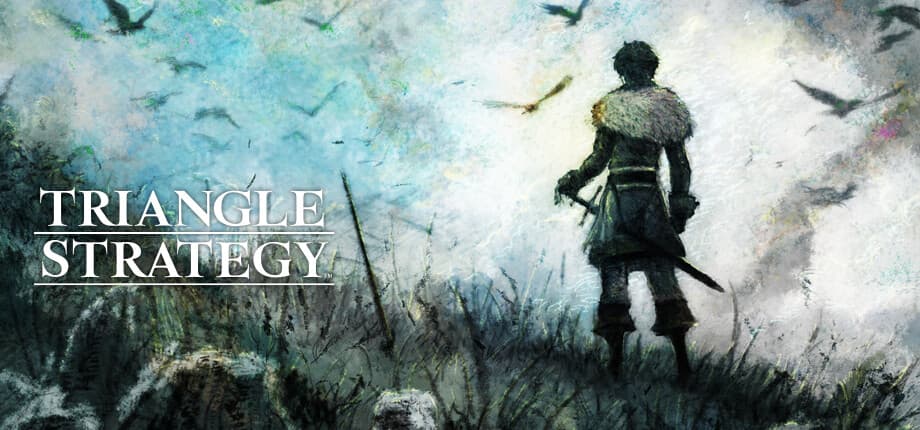
For a deeper build puzzle, choose TROUBLESHOOTER: Abandoned Children. For political campaign choices, choose TRIANGLE STRATEGY. The key is deciding which part of Fire Emblem you want to protect before you install anything.
Squad bonds and formations
Deep class building
Political choices
Branching war story
Harsh caravan consequences
Pick the feeling you want back after Fire Emblem: a growing squad, a dense build sheet, a political campaign, a branching war, or consequences that follow you between battles.
Choose the part of Fire Emblem you actually miss
The best PC alternative is not necessarily the game with the closest-looking grid. Choose Symphony of War first if you want a roster to grow into an army. Choose TROUBLESHOOTER if designing a character matters more than moving quickly through the campaign. The cost of that focus is that none of these games copies every relationship, school, and battle system from Fire Emblem.
| If you miss... | Start with | What you give up |
|---|---|---|
| A recruitable cast and army growth | Symphony of War | Individual unit placement is less exact |
| Layered class building | TROUBLESHOOTER | A denser, slower start |
| Story choices shaping a war | TRIANGLE STRATEGY | More dialogue between fights |
| Branching routes and old-school job experimentation | Tactics Ogre: Reborn | Less social warmth |
| Permanent losses and a pressured journey | The Banner Saga | Leaner tactical systems |
Start with Symphony of War if you want your squad to become an army
Symphony of War is for the player who enjoys the pause before a map begins: looking at a new recruit, changing a role, and deciding who belongs together. Start here when character attachment should feed directly into your tactical choices. It is a PC tactical RPG with a broad roster and formation-based fights, so the important question is not only who levels up, but what kind of squad they help create.

Symphony of War: The Nephilim Saga
Recommendation
- Best for
- Fire Emblem players who want recruits, promotions, and a growing army to stay central to every campaign map.
- Why it fits
- It makes squad composition the tactical conversation. A new character is not just another stat line; they can change how a formation works and which role another unit can fill.
- Skip if
- You need every turn to be about moving one named character across a grid and reading individual attack ranges.
The live GamesLike page records 95% positive across roughly 12,000 Steam reviews, which makes it the most reassuring first try here. That review signal does not make it a Fire Emblem replacement. It is the recommendation for players who want the feeling of assembling people into a force, not a duplicate of the same battlefield grammar.
Take TROUBLESHOOTER or Tactics Ogre when the build screen is part of the fun
Pick TROUBLESHOOTER first if you like spending real time on character builds, then seeing a tailored team solve a difficult map. Pick Tactics Ogre instead if you want a more traditional war story with branching routes and a class system you can keep revisiting. Both ask more patience from you than Symphony of War: TROUBLESHOOTER is dense, while Tactics Ogre carries more old-school friction.

TROUBLESHOOTER: Abandoned Children
Recommendation
- Best for
- Players who want a long tactical campaign where individual character builds are a serious part of the answer to a hard mission.
- Why it fits
- Its appeal is the room to shape specialists and then test how those choices interact in a larger team. It rewards the player who enjoys understanding a build, not only executing a clean turn.
- Skip if
- You want a brisk campaign or a light ruleset that lets you focus mostly on story and map positioning.
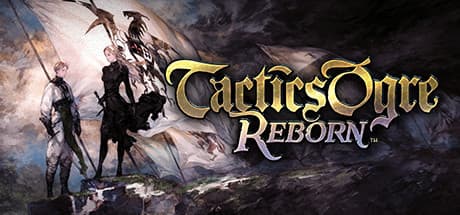
Tactics Ogre: Reborn
Recommendation
- Best for
- Players who want branching war-story choices and class experimentation with a more classic tactical-RPG feel.
- Why it fits
- It is strongest when you want the campaign to keep asking what kind of leader and army you are building, rather than treating the story as a break between unrelated maps.
- Skip if
- You need Fire Emblem-style support conversations and a softer, character-hangout rhythm around the war.
The useful difference is personal scale. TROUBLESHOOTER makes you linger over individual build decisions; Tactics Ogre makes the wider conflict and its routes feel heavier. Choose the first for systems, the second for a campaign whose political choices keep changing the context of the next battle.
Choose TRIANGLE STRATEGY or The Banner Saga when consequences are the point
TRIANGLE STRATEGY is the better first choice when you want polished turn-based battles attached to political decisions and you are happy to read between maps. Choose The Banner Saga when you want every resource and loss to make the journey feel less secure. The tradeoff is tone: TRIANGLE STRATEGY is talkier; The Banner Saga is harsher and less interested in power fantasy.

TRIANGLE STRATEGY
Recommendation
- Best for
- Players who want a deliberate, story-heavy tactical RPG where political decisions matter as much as winning the current fight.
- Why it fits
- It treats the campaign as a chain of choices with tactical consequences, making it a strong fit when Fire Emblem's war story mattered alongside the combat.
- Skip if
- You want most of your time to be spent in battles or in relationship management rather than reading through a political conflict.
The Banner Saga
Recommendation
- Best for
- Players who want a small party under pressure, where losses and difficult calls stay visible long after a battle ends.
- Why it fits
- Its tactical encounters sit inside a hard journey. The appeal is not collecting the largest possible army; it is carrying responsibility for people and resources when there is no clean outcome.
- Skip if
- You want lots of class tinkering, a cheerful cast dynamic, or a game that makes it easy to recover from every setback.
The Banner Saga is the most useful answer if you mean permadeath pressure when you say you want games like Fire Emblem. Its consequences are emotional and logistical, not a checklist of paired endings. That makes it a better fit for players who want a campaign to hurt a little when the plan goes wrong.
The wrong default is any game with a grid
Do not buy a turn-based strategy game just because it has a grid, classes, and fantasy weapons. The missing ingredient can be a cast you keep thinking about, a build you are eager to refine, or a campaign whose decisions follow you. A good tactics game without that thread may still be excellent, but it will not answer the specific Fire Emblem itch this guide is about.
Use the tradeoff as the filter. If you want relationships and army growth, start with Symphony of War. If you want the consequences to stay close to the characters, choose The Banner Saga. That is more helpful than chasing an exhaustive list of tactical RPGs that happen to share a camera angle.
Pick your next PC tactical RPG
Choose the game whose compromise sounds acceptable before you buy it. The closest-looking option is not always the one you will finish, especially if the part you miss from Fire Emblem happens between the battles.
The first pick for a growing cast and army-building, with formation tactics instead of one-unit grid control.
Pick this when buildcraft is as satisfying as the battle itself.
Choose this for deliberate battles wrapped in a story-first war.
Start here if the war story and job experimentation matter more than social systems.
Pick this when you want each loss and hard decision to keep shaping the journey.
Start with the feeling you want the next campaign to preserve.
Still undecided? Click Symphony of War: The Nephilim Saga first. It is the least punishing way to find out whether the part you miss is a growing squad, rather than Fire Emblem's exact turn-by-turn structure.
Play queue
Play these next
See game details, similar picks, and store options.