A rooftop jump can sell four very different games. When you’re choosing parkour games for PC, decide what you want to do after landing: follow the next escape route, try a better trick, fight through another encounter, or keep a survivor alive.
Mirror’s Edge is our first pick among the best parkour games for players who want a directed running campaign. Wall-runs, leaps and vaults serve Faith’s story and chases. The cost is accepting combat and a campaign’s direction; this is not an unrestricted practice map.
If you already know you want to invent lines and practise tricks, start with Rooftops & Alleys instead. Ghostrunner makes lethal combat part of the route, while Dying Light puts traversal inside a zombie-survival world. Those last two make sense when the fighting appeals as much as the running.
Running campaign
Tricks and practice
One-hit combat
Zombie survival
Choose your route through parkour games on PC
Choose Mirror’s Edge first if you want the game to give your movement a destination. Choose Rooftops & Alleys if setting your own challenge sounds better than following a story. Before stepping into either combat-heavy alternative, decide whether enemies would make the route more interesting or get in the way of what you came to do.
| What you want to repeat | Start with | What comes with the running |
|---|---|---|
| A sequence of leaps, vaults and escapes | Mirror’s Edge | A directed first-person story, chases and combat |
| A trick, combo or self-chosen line | Rooftops & Alleys | Free-roam maps, time trials and trick challenges |
| A fast route through lethal encounters | Ghostrunner | One-hit combat and checkpoint retries |
| Finding your way through a dangerous city | Dying Light | Zombie combat and changing danger after sundown |
Mirror’s Edge for a directed running campaign
Start here if the appeal is linking movements on the way to somewhere. Among first-person parkour games, Mirror’s Edge gives this shortlist its clearest campaign-led starting point: Faith’s wall-runs, vaults and escapes are part of being a hunted courier. You give up the freedom to make practice itself the whole session.
Its Runner vision helps frame the city as a path to read. That is a useful distinction from simply having a large world to climb: the draw is how you move through the environment. The official description also explicitly includes disarming opponents and intense combat, so don’t buy it expecting uninterrupted peaceful running.
Mirror's Edge
Recommendation
- Best for
- A story that asks you to string together wall-runs, leaps and vaults.
- Why it fits
- Faith’s chases give route execution a purpose beyond scoring a trick.
- Skip if
- You want free-roam practice or want to avoid combat entirely.
The close-range confrontation below is part of that buying decision. Mirror’s Edge leads because of its running campaign, not because every moment is a clean stretch of parkour.

Rooftops & Alleys for practice and freerunning
Choose Rooftops & Alleys first when you want to find a line, try a trick and decide for yourself what to attempt next. Its free-roam maps, scoring system, time trials and trick challenges make practice a reason to play. The trade is giving up the authored dramatic campaign that makes Mirror’s Edge our default.
You can use third- or first-person views. That matters if the sight of your character completing a move is part of the appeal; this shortlist is not exclusively first person. The official feature list also includes a session marker, slow-motion button and replay editor, which makes this the branch to inspect for a session built around practising and watching tricks.
Rooftops & Alleys
Recommendation
- Best for
- Free-roam lines, trick combos and challenges you can make the focus of a session.
- Why it fits
- Parkour maps and a trick-scoring system put freerunning practice at the centre.
- Skip if
- You need an authored story to give you the next objective.
Friends can share freeplay or join modes such as TAG, Capture the Flag and Trick Battles. Treat those as activities in a parkour playground, not as a promise of a co-op story campaign.

Ghostrunner when the route is also a fight
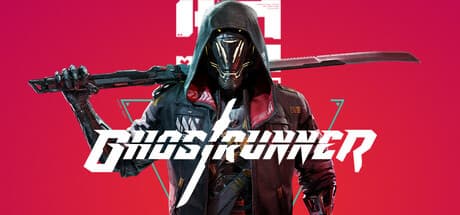
Choose Ghostrunner if first-person parkour games appeal most when movement and fighting demand your attention together. Its one-hit combat makes the cost explicit: you are signing up for fast, violent encounters and retries, rather than a forgiving place to experiment with tricks.
The katana and bullet-dodging belong to the core pitch in the official description. Frequent checkpoints support repeated attempts, but they don’t turn the one-hit rule into low-pressure running. If the fighting sounds like an interruption, move back to Rooftops & Alleys; if solving a lethal encounter through movement sounds like the point, this is the stronger fit.
Ghostrunner
Recommendation
- Best for
- Fast first-person action where mobility is part of surviving a fight.
- Why it fits
- One-hit combat, a katana and frequent checkpoints make repeated attempts central.
- Skip if
- You want forgiving movement practice or dislike violent combat.
The broken walkway below shows the forward route clearly, with the sword still in hand. It illustrates the space you traverse; the combat rule is the more important reason to choose or reject the game.

Dying Light when movement belongs to survival
Choose Dying Light if you want parkour to help you live in a hostile city, and you actively want the zombie game around it. Its open world gives climbing and reaching remote areas a broader purpose. You give up movement as an isolated activity: combat and survival are part of the package.
The official description pairs parkour with weapon combat and a day/night shift from hunting to being hunted. That makes it a different recommendation from Ghostrunner’s one-hit fights. Pick Dying Light for the surrounding survival world, not because a rooftop escape in a trailer looked like a replacement for Mirror’s Edge.
Dying Light
Recommendation
- Best for
- Open-world traversal with zombie survival and combat around it.
- Why it fits
- Parkour helps you explore the city while day and night change its danger.
- Skip if
- You want running routes without zombie combat or survival pressure.
The wrong default is a rooftop in the trailer
Start with Mirror’s Edge if all you know is that you want to run. Switch to Rooftops & Alleys when practice is the attraction, even if that means losing a campaign’s next objective. A rooftop alone tells you very little about which of these games you will want to keep playing.
The deciding question is what you want the game to ask of you between jumps. “Follow this escape” points toward Mirror’s Edge. “Try a better combo” points toward Rooftops & Alleys. “Survive this fight” brings Ghostrunner and Dying Light into consideration, with a second choice between one-hit encounters and a zombie-filled open world. Combat isn’t a minor caveat you can ignore in those recommendations.
Choose the next place to run
For this shortlist of the best parkour games on Steam, Mirror’s Edge is the first click for a running campaign. The alternatives earn their place by changing the activity, not by offering more of everything. Choose the cost you’re happy to accept alongside the movement.
A directed campaign with chases and combat.
A freerunning playground with challenges and both camera views.
One-hit combat and repeated checkpoint attempts.
An open world with combat and changing night danger.
Still undecided? Open Mirror’s Edge first. If its campaign sounds like a detour from the tricks you want to practise, make Rooftops & Alleys your next click.
Play queue
Play these next
See game details, similar picks, and store options.