You want to command a fleet, but that still leaves three different evenings to choose from. Space RTS games can ask you to follow a story through missions, work out how to detect and disable an enemy warship, or fund a war across several planets. The ships in the screenshots do not tell you which job you will spend your time doing.
Start with Homeworld Remastered Collection if you want an authored fleet campaign. Its missions give your shipbuilding, formations and research a place in a story. Choose NEBULOUS: Fleet Command when fitting ships and managing sensors are the attraction. Choose Sins of a Solar Empire II when battles should be part of a growing planetary empire.
For this shortlist of space strategy games, the useful question is how far beyond the battle you want to think. Homeworld gives you a mission sequence, NEBULOUS draws attention to individual ship systems, and Sins II adds the economy and territory that sustain your fleets.
Story-led fleet missions
Warship fittings and sensor warfare
Planetary expansion and fleet battles
These space fleet games overlap in spectacle, but the responsibility changes. Pick the job that sounds interesting before comparing the size of the armada: a detailed weapons loadout will not replace a planetary economy, and an empire map will not replace the story you wanted to follow.
Choose Homeworld when you want the next mission to matter
If you want a fleet campaign with an authored sequence of objectives, open Homeworld Remastered Collection first. You still choose unit types, formations, flight tactics and research, but the campaign gives those choices a direction. That is the stronger fit here when “what happens next?” matters more than deciding which planet to annex.
The collection includes Homeworld Remastered Edition and Homeworld 2 Remastered Edition, plus the original Classic versions. That makes this recommendation about those two campaigns; buying another Homeworld title is not part of the pick. The official Steam description supports the collection contents and fleet-command features.
Homeworld Remastered Collection
Recommendation
- Best for
- Following a fleet through authored story missions.
- Why it fits
- Shipbuilding, research, formations and flight tactics serve the two remastered campaigns.
- Skip if
- Your main goal is to colonize planets and manage an expanding empire.
Homeworld is the first click for the story branch because the campaigns are the point of the collection. NEBULOUS also describes a narrative campaign, so the distinction is not simply which game has a story. Choose Homeworld for its mission-led fleet journey; move to NEBULOUS if the workings of each warship are what hold your attention.

The remastered image shows the fleet spectacle you are choosing, rather than a planetary management screen. One purchase detail matters for Mac readers: Steam lists Mac support, but that listing alone does not establish compatibility with your current macOS version. This guide makes no modern macOS compatibility claim.
Choose NEBULOUS when the warship itself is the puzzle
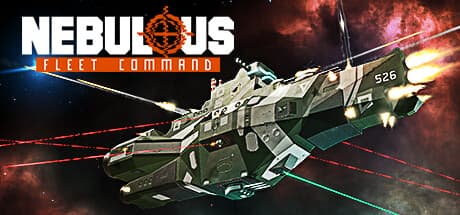
If you are drawn to radar, ammunition, power and damage control, choose NEBULOUS: Fleet Command first. Its outfitting goes down to individual hardpoints and ship systems. The tradeoff is attention: this branch asks you to care about how a ship detects, attacks and survives, rather than treating every vessel as another unit in a production queue.
Cover also changes the information available to you. Asteroids and gas clouds can block radar, while electronic warfare can interfere with sensors and missile systems. Individual components take damage, so keeping a ship alive can mean preserving the systems it needs to fight. Those are concrete reasons to choose it over a broader empire game, as described on the official Steam page.
NEBULOUS: Fleet Command
Recommendation
- Best for
- Designing warships and making tactical decisions around detection and ship systems.
- Why it fits
- Hardpoint fittings, radar occlusion, electronic warfare and component damage make individual ships worth studying.
- Skip if
- You want planetary expansion to supply the main decisions between battles.
Do not dismiss NEBULOUS because an older recommendation says it has no campaign. Its current Steam description includes a narrative campaign played solo or with friends, alongside AI and human skirmishes. The campaign adds limited fuel, munitions and ships to the tactical choices. Homeworld remains this shortlist's first story pick, while NEBULOUS is the pick for readers who want the story tied to managing a strike force's systems and supplies.

That interface is part of the appeal, not decoration around the ships. If configuring sensors and weapons sounds like work you would rather skip, more tactical detail will not make NEBULOUS the right default. It is also listed as Early Access, a purchase distinction to keep alongside the systems that attracted you.
Choose Sins II when you want to pay for the war as well as fight it
Choose Sins of a Solar Empire II if you want your fleet decisions connected to planets, production, research and diplomacy. You take on the empire that supplies the battles. Give up the narrower focus on a mission or a particular warship in exchange for decisions about where your forces and resources should go next.
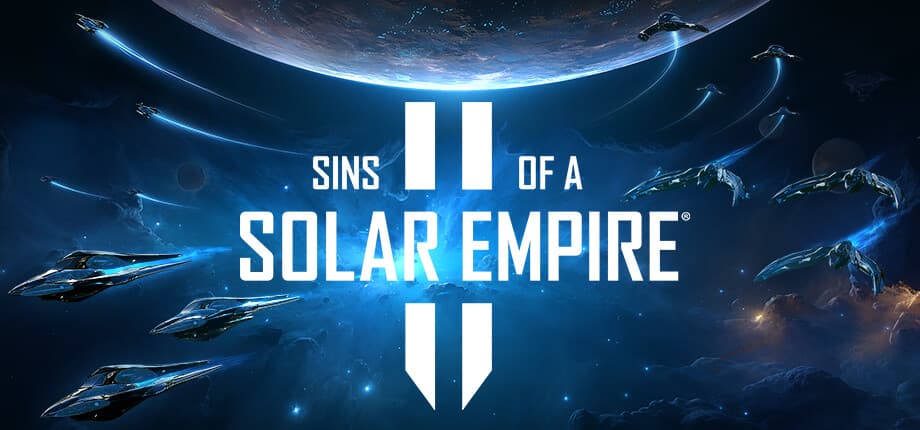
Sins II runs empire management and tactical combat together in real time. You zoom between them rather than entering a separate battle mode or waiting for the next turn. Planets orbit, slowly changing the strategic layout, so territory is more than a static backdrop to the fighting. The official Steam description describes that continuous structure.
Sins of a Solar Empire II
Recommendation
- Best for
- Expanding a planetary empire while commanding its fleets.
- Why it fits
- Production, research, diplomacy and battles share one real-time game, with orbiting planets changing the map.
- Skip if
- You want to concentrate on ship fittings without taking responsibility for an empire.
This is the first pick when the space between battles is what interests you. NEBULOUS lets that attention go into weapons and sensors; Sins II spreads it across territory and the means to build more ships. Choose the scale you want to manage, rather than assuming the larger strategic layer is automatically an upgrade.

For the purchase, keep the base game and Premium Edition contents separate. The Premium listing describes additional content supplied as released; do not read the edition name as a promise that every expansion comes with the base game.
Avoid choosing from the broadest space strategy label
When browsing space strategy games on PC, start with the kind of command you want. A piloted trading career can have fleets without giving you these RTS decisions. A Civilization-style game can have planets and empires while asking you to take turns. Neither answers the same itch as commanding these fleets in real time.
There is a trap inside this shortlist, too: a screenshot full of ships does not prove that you will be building a space empire. Pick Sins II for that responsibility. Pick Homeworld for its authored missions, or NEBULOUS for fittings and sensor warfare. The choice is where you want to spend your attention, not which screenshot contains the most ships.
Make your first click match the job you want
If you are still undecided, choose Homeworld Remastered Collection for a story-led fleet campaign. Only move the first click to NEBULOUS or Sins II when ship systems or planetary expansion is the reason you started looking.
Start with the two remastered campaigns and their shipbuilding, research and formations.
Choose hardpoints, radar, electronic warfare and component damage; the current store also describes a solo/co-op campaign.
Build an empire and command its battles in the same continuous real-time game.
Open Homeworld Remastered Collection first if you want the campaign to tell you where to take the fleet next. If you already know you would rather study a weapons loadout or plan the next planetary expansion, follow that preference straight to NEBULOUS or Sins II.
Play queue
Play these next
See game details, similar picks, and store options.