CRPG games can ask for three different kinds of patience: reading a lot of dialogue, learning how their rules fit together, and staying with one party for a long campaign. Those are not the same commitment. A game can be easy to control but still ask for a long relationship; another can be shorter yet demand more attention every time you level up.
Start with Baldur's Gate 3 if you want the clearest modern full-length entry point. Its turns are readable, its dialogue is performed rather than delivered as a wall of text, and it teaches a large campaign through immediate situations. The cost is real: you are choosing a substantial, talkative party adventure, not a quick sampler.
If that sounds too long, choose a different kind of friction rather than forcing yourself through the most famous name. Divinity: Original Sin 2 is more playful; Pillars of Eternity is more classic; Pathfinder: Wrath of the Righteous is for people who want the rules to be the hobby; Disco Elysium is for people who want to read and role-play without managing a combat party.
A friendly full CRPG campaign
Systemic party play
Classic party questing
Deep build planning
Reading-first role-play
Choose the kind of commitment you actually want to make this month, not the most intimidating game you think a CRPG fan is supposed to play.
Start here if you want a full campaign without studying first
This is the right lane if you want a turn-based CRPG where the first evening gets you into scenes, fights, companions, and decisions before it asks you to master a rulebook. Pick Baldur's Gate 3 when you want the most welcoming large-scale version of that promise. Pick Divinity: Original Sin 2 when experimentation and messy systems sound more appealing than cinematic presentation. Both still require a campaign-sized commitment.

Both games let the world explain why a rule matters before asking you to enjoy the rule for its own sake. That is the useful distinction for a first campaign.
Baldur's Gate 3
Recommendation
- Best for
- A first CRPG player who wants a big party story with readable turn-based combat.
- Why it fits
- It makes the important early choices concrete: a conversation, an ally, a spell, a dangerous route. You learn the shape of a party RPG while the campaign is already giving you reasons to care about it.
- Skip if
- You only have room for a short game, or you know that long voiced conversations will feel like homework.
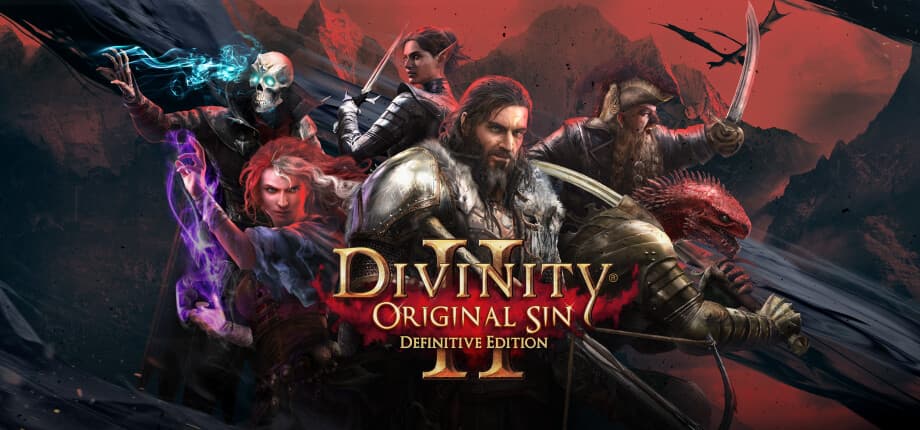
Divinity is a better first click if you want to poke at every object and see a plan go unexpectedly right or wrong. It is less interested in polished companion scenes, but its systems make learning feel like play rather than revision.
Divinity: Original Sin 2 - Definitive Edition
Recommendation
- Best for
- Players who want a party CRPG to reward improvisation, co-op chaos, and environmental tricks.
- Why it fits
- Its combat and exploration repeatedly invite you to combine surfaces, skills, and odd ideas. That makes it a strong entry when you want to discover systems by using them.
- Skip if
- You need the smoothest cinematic onboarding or want the game to explain every choice in a modern presentation.
Choose Pillars if classic CRPG texture matters more than spectacle
Pick Pillars of Eternity if you want the older party-RPG rhythm: a party to assemble, a setting to read closely, and real-time-with-pause combat to manage. It asks more of your attention than BG3's performed scenes, but it is the right first classic-style CRPG when that slower texture sounds inviting rather than punishing. You give up some immediate readability and visual ease.

If that dense isometric view looks inviting rather than dated, you are choosing the classic texture on purpose and Pillars is the right place to begin.
Pillars of Eternity
Recommendation
- Best for
- Players who are curious about classic party RPGs and do not mind reading to understand the world.
- Why it fits
- It makes companions, quests, and party composition the center of a deliberately old-school campaign. Start here when you want to learn that tradition without starting from a build encyclopedia.
- Skip if
- You want turn-by-turn combat, fully voiced cinematic scenes, or a campaign that does most of its worldbuilding at a glance.
Tyranny is the useful alternate when you want that classic presentation with a more pointed premise: you are deciding what authority looks like after the war is already over. It is not a replacement for Pillars' broader journey; it is the sharper choice if consequences and factions pull you in.
Pick Pathfinder only when learning the rules sounds fun
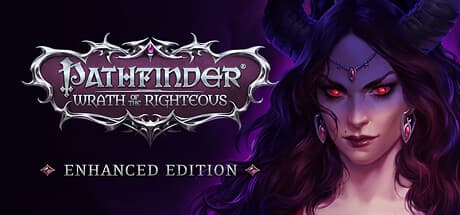
Pathfinder: Wrath of the Righteous is for players who look at classes, feats, archetypes, and party roles and feel curious rather than tired. Start here if complex CRPG builds are part of the attraction and you want a long campaign that gives those choices time to matter. In exchange, you will spend more time planning and reading tooltips before a choice feels natural.

The screen is only the visible part of the decision; the real appeal is the character plan you brought into the encounter. Pick this lane when that preparation sounds rewarding.
Pathfinder: Wrath of the Righteous - Enhanced Edition
Recommendation
- Best for
- Players who want character planning to be a major part of the campaign.
- Why it fits
- It gives you many meaningful ways to shape a party and lets that planning carry across a large adventure. The density is a feature when you enjoy learning systems.
- Skip if
- You want your first CRPG to be forgiving of guesses, quick decisions, and a light relationship with menus.
Read first, fight less: Disco Elysium and Tyranny
Choose this lane if your real interest is inhabiting a role, reading consequences, and deciding what kind of person the protagonist becomes. Start with Disco Elysium when you want a story-heavy RPG without party combat. Choose Tyranny when you still want the classic party frame and faction decisions. The tradeoff is that neither gives you BG3's broad modern mixture of tactical turns, companions, and spectacle.

This is the cleanest test of whether the “computer role-playing” part matters to you more than commanding a party in combat.
Disco Elysium - The Final Cut
Recommendation
- Best for
- Players who want the role-play and reading of a CRPG without managing combat encounters.
- Why it fits
- Its choices live in conversations, investigation, and the protagonist's competing impulses. It is the cleanest answer when you want to read closely and make a character, not optimize a battle party.
- Skip if
- You want a fantasy world, tactical combat, or a group of companions to build around.
Avoid the prestigious wrong default
The wrong default is buying the densest “best CRPG” on the list and treating the early resistance as a test you should pass. Pathfinder is excellent when build planning excites you; it is a bad first date if you wanted an adventure to carry you through the rules. Disco Elysium is brilliant for reading-first role-play; it will not teach you why party positioning matters. The famous name is only useful after you decide what kind of commitment you are actually making.
For the broad similarity question around BG3, start at the Baldur's Gate 3 app page. If you have already finished it and want another party-choice campaign, use the BG3 follow-up guide instead of treating this onboarding guide as a sequel list.
FAQ: choosing CRPG games
What is the best CRPG for a beginner?
Baldur's Gate 3 is the strongest first choice if you want a full campaign and can commit to it. Its rules are still substantial, but the game introduces them through clear scenes, party moments, and turn-based fights.
Which CRPG has the least rules learning?
Disco Elysium is the least combat-and-build-heavy choice here, but it is a reading-first role-playing game rather than a traditional party combat CRPG. For a party campaign that teaches by doing, choose Baldur's Gate 3.
Which CRPG should I play if I love character builds?
Pathfinder: Wrath of the Righteous is the pick when you want complex CRPG builds to be part of the pleasure. Do not choose it for friction-free onboarding.
What to play first
The best modern entry when you want dialogue, a party, and readable tactical turns.
Start here when you want systems and improvisation to lead the lesson.
The choice for players ready to read more and meet an older CRPG halfway.
Choose it when planning a build sounds like fun, not a barrier.
The right first click when conversation and character matter more than combat.
Pick the commitment you want to make before you pick the most celebrated name.
Still undecided? Click Baldur's Gate 3 if you want a party campaign to teach you what CRPGs can do. Click Disco Elysium if the prospect of reading and role-playing is the draw, and Pathfinder only if the rules already sound inviting.
Play queue
Play these next
See game details, similar picks, and store options.